
TL;DR — Are caffeine pouches a real pre-workout?
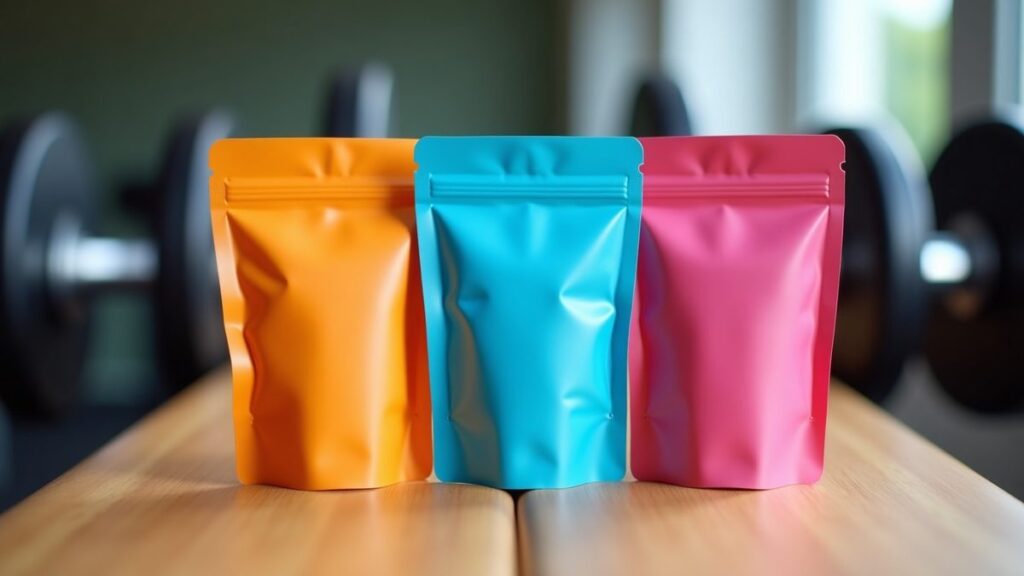
Pre-workout pouches — caffeine pouches for the gym — are small, tobacco-free pouches you park under your lip to absorb caffeine straight through your gums, usually 50–100 mg per pouch, with the hit landing in about 5–15 minutes. They’re a clean, nicotine-free stand-in for powder pre-workout, handy for travelers, commuters, and anyone whose stomach hates a scoop. One caveat: every pouch counts toward your 400 mg daily caffeine ceiling.
Table of contents
How caffeine pouches actually work
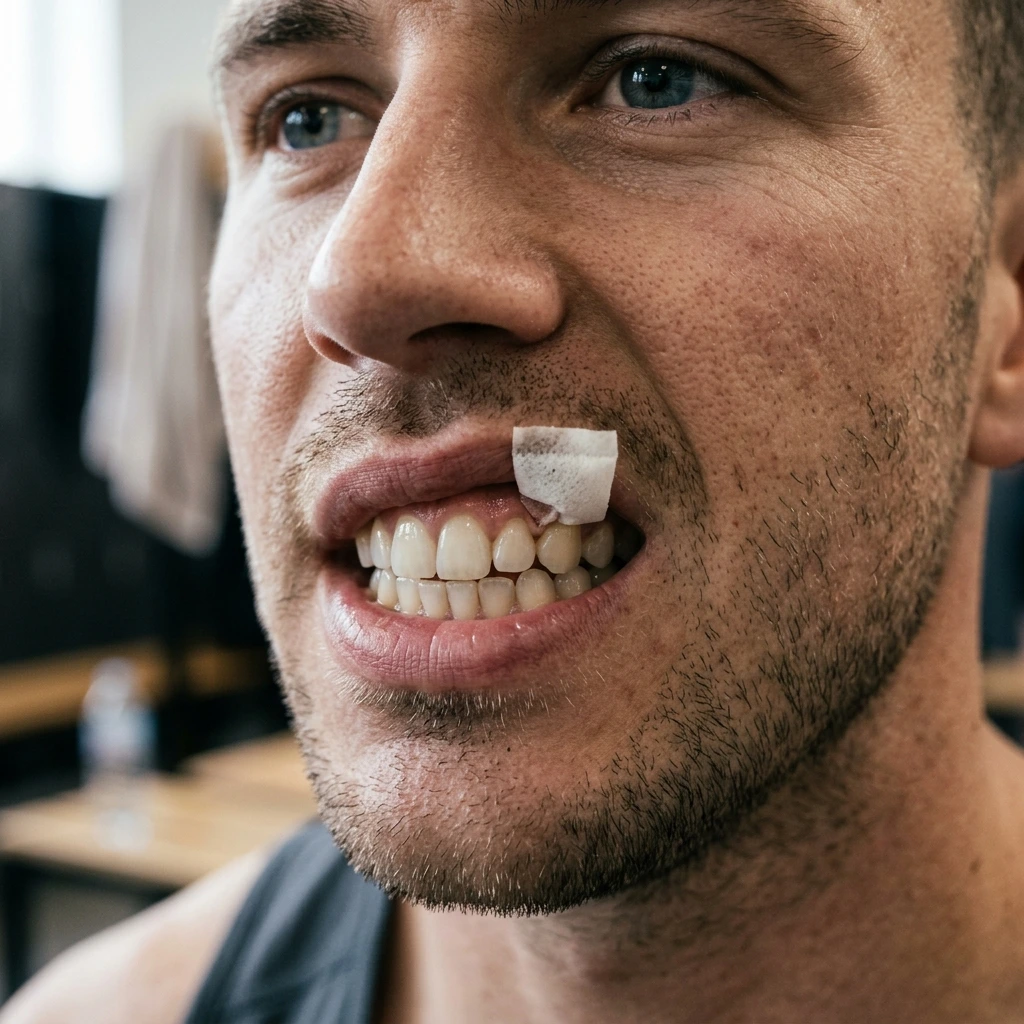
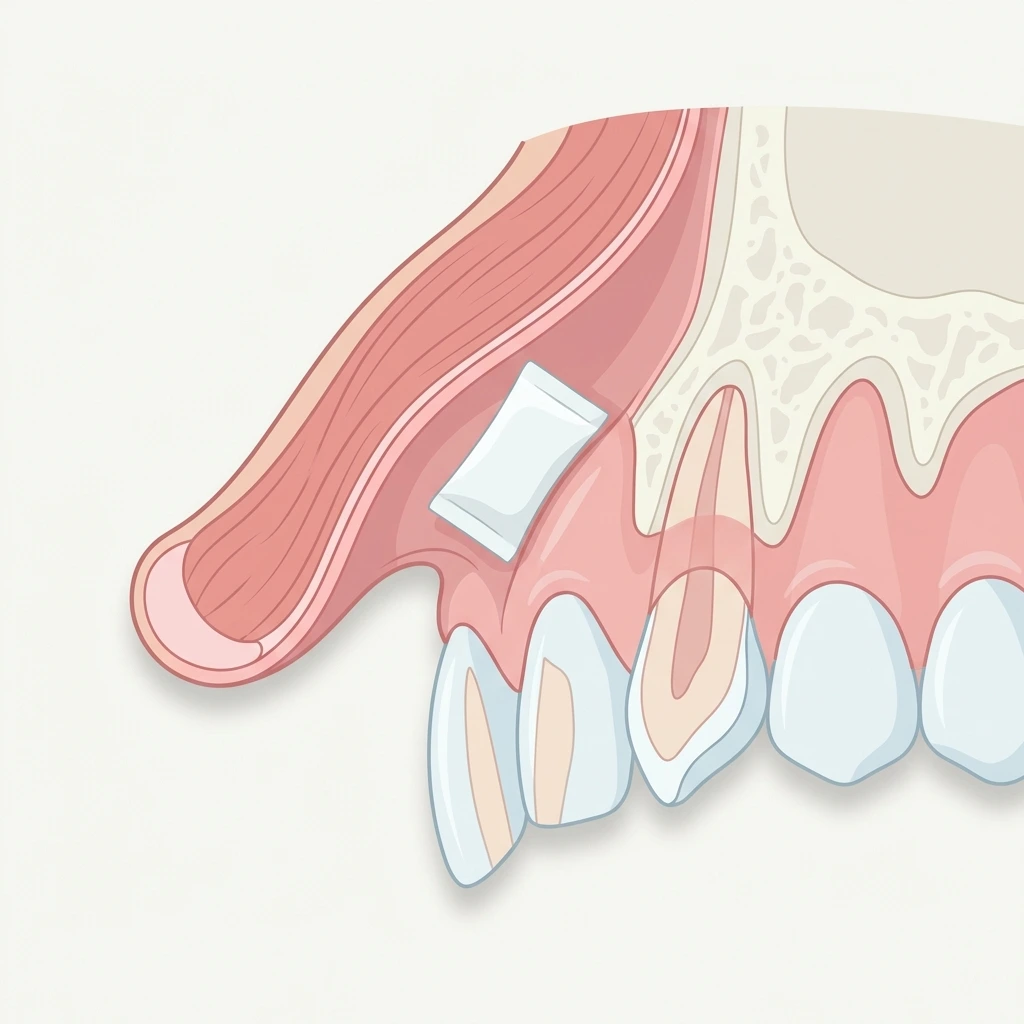
Caffeine pouches push caffeine through the lining of your mouth instead of your gut. You tuck the pouch between your gum and upper lip; the caffeine crosses the buccal mucosa directly into your bloodstream, skipping the stomach and the first-pass liver metabolism that slows a capsule or a scoop. That shortcut is why onset runs roughly 5–15 minutes instead of the 30–45 you’d wait on a swallowed dose. Buccal delivery has measurable backing: a peer-reviewed review of alternate caffeine formats found gum and oral-mucosa routes absorb faster than capsules (Sports Medicine, 2018).
Three things make them worth a look:
- Fast, even onset with no liquid to mix or chug.
- No GI distress, so a sensitive stomach stays quiet during heavy lifts.
- Pocket-sized and TSA-friendly. No shaker, no powder dusting your gym bag.
One clarification, because the shelves are confusing: these are not nicotine pouches. Zyn, On!, and Lucy contain nicotine and zero caffeine. Caffeine pouches contain caffeine and zero nicotine.
Who caffeine pouches genuinely suit
They fit anyone who wants a quick stimulant without a drink or a stomach load. The format earns its keep in specific situations more than as an everyday powder replacement. If you train in places where mixing a scoop is awkward, or you react badly to the citrulline-and-beta-alanine dump in a full pre-workout, a pouch solves a real problem.
Best fits:
- Travelers and frequent flyers who can’t pack powder tubs.
- Outdoor and field athletes (hiking, climbing, cycling) with no water to spare.
- Office workers heading straight from desk to gym.
- Lifters with a sensitive stomach or reflux.
- Short, fast sessions where a full pre-workout is overkill.
- Experienced caffeine users who already know their tolerance.
How many caffeine pouches should you take?
Most people land at one to three pouches before training, and nobody should cross four in a day. The research target for a performance dose is 3–6 mg of caffeine per kilogram of bodyweight, taken about 60 minutes pre-exercise (ISSN position stand, 2021). Your hard ceiling is separate: the FDA puts safe daily intake for healthy adults at 400 mg total, from every source combined (FDA, 2024).
Here’s the catch worth understanding. The 3–6 mg/kg figure is a single pre-workout dose; the 400 mg figure is your whole day, coffee included. For heavier lifters, the top of the performance range collides with the daily cap, so 4 pouches at ~100 mg is the practical wall, not a starting point.
| Bodyweight (lb / kg) | Light dose (3 mg/kg) | Performance dose (6 mg/kg) | Pouches @ ~100 mg | Daily cap (stay under 400 mg) |
|---|---|---|---|---|
| 125 / 57 | ~170 mg | ~340 mg | 2–3 | ≤4 pouches |
| 150 / 68 | ~205 mg | ~410 mg* | 2–4 | ≤4 pouches |
| 175 / 79 | ~235 mg | ~475 mg* | 2–4 | ≤4 pouches |
| 200 / 91 | ~275 mg | ~545 mg* | 3–4 | ≤4 pouches |
| 225 / 102 | ~305 mg | ~610 mg* | 3–4 | ≤4 pouches |
*The calculated 6 mg/kg dose exceeds the 400 mg daily ceiling. Treat it as theoretical, not a target. If you already drink coffee, subtract that caffeine first, then add pouches.
The 5 best caffeine/pre-workout pouches in 2026
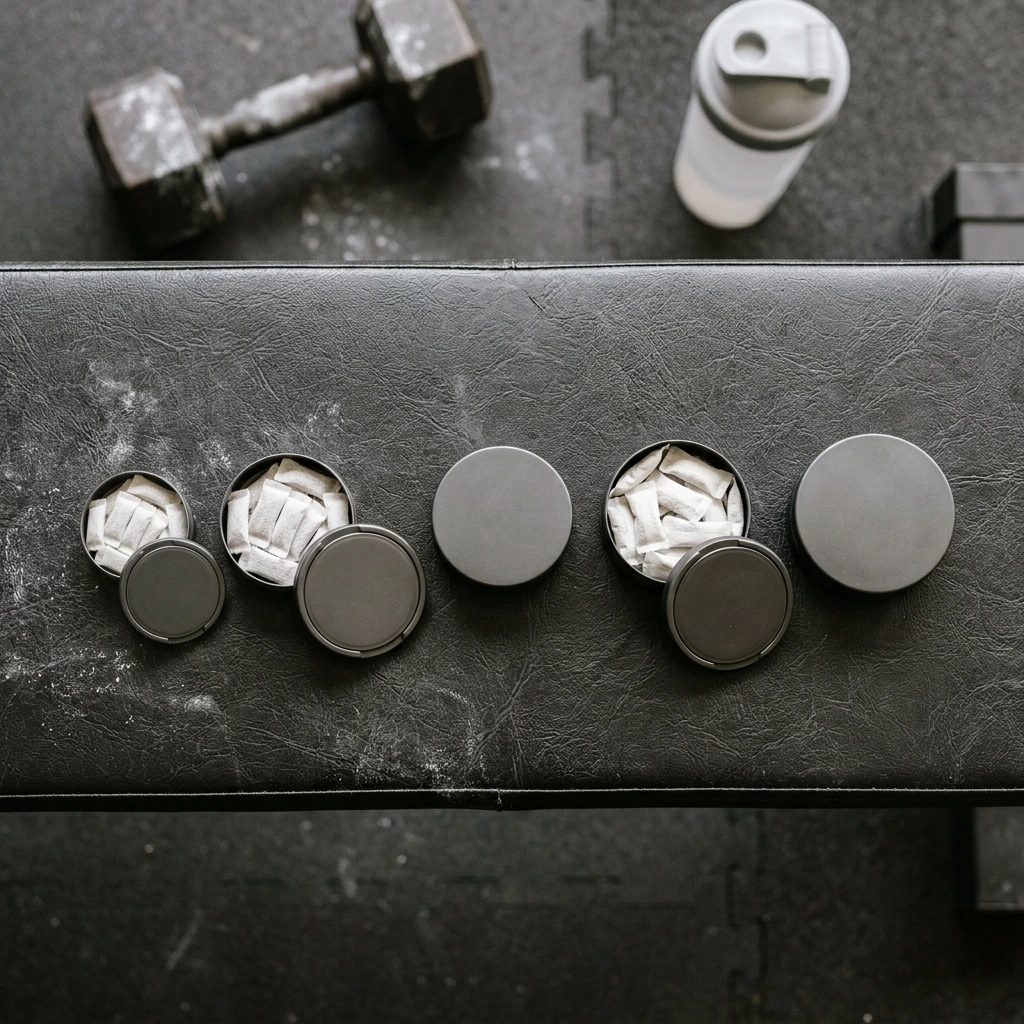
Our top pick is Grinds Energy Pouches at 80 mg of caffeine plus B-vitamins: a verified, nicotine-free pouch from the brand that built the category. Below it, the field splits by dose and intent. The quick comparison table that follows lines them up side by side so you can match strength to your session.
Affiliate disclosure: the links below are Amazon affiliate links. If you buy through them, Gymstips may earn a small commission at no extra cost to you. We only list products with verified, current specs.
Grinds Energy Pouches — 80 mg + B-vitamins. The most established name here. Grinds started as a coffee-pouch brand born from a Major League Baseball dugout habit, and its Energy line delivers a clean 80 mg with no nicotine and no sugar (Amazon listing). Best for coffee drinkers easing into pouches. Downside: the Energy flavors lean wintergreen and fruit, and one pouch may feel light before a heavy session, so plan for two.
Wip Energy Pouches — 100 mg + L-theanine. The strongest single dose on this list, with natural caffeine from green coffee bean plus L-theanine, B-vitamins, and minerals (Amazon listing). The theanine takes some edge off the 100 mg, which is why it reads “smooth” rather than jittery. Best when you want a real punch in one pouch. Downside: easy to overshoot your daily cap if you also drink coffee, and it runs pricier per pouch.
JLT Caffeine Nootropic Pouches — 75 mg + nootropic stack. A mid-dose pouch built around focus: 75 mg of caffeine alongside Lion’s Mane, Alpha-GPC, L-tyrosine, and L-theanine (Amazon listing). Best for desk-to-gym sessions where you want head-clarity, not just stimulation. Downside: the nootropic ingredients sit on thinner evidence than the caffeine itself, so buy it for the caffeine and treat the rest as a bonus.
NZE Caffeine Nootropic Pouches — 50 mg + nootropics. The lowest dose here, and that’s the point. 50 mg with Alpha-GPC, L-tyrosine, and L-theanine, no sugar or artificial sweeteners (Amazon listing). Best for caffeine-sensitive lifters, late-afternoon training, or anyone who wants to dose precisely. Downside: most people will reach for a second, so the per-session cost climbs.
Smokey Mountain Caffeinated Pouches — light, green-tea caffeine. A tobacco-free, nicotine-free pouch with caffeine from green tea extract, roughly a third of a cup of coffee per pouch (Amazon listing). Best for ex-dip users who want the oral habit and a mild lift rather than a pre-workout jolt. Downside: the caffeine is genuinely light, and the long-cut texture is an acquired taste.
Quick comparison
Match the dose to the day across these pre-workout pouches: 50–80 mg for light or late sessions, 100 mg when you want one-pouch power. Prices below are per pouch and drop on multi-can boxes.
| Pouch | Caffeine/pouch | Added actives | Best for | Approx $/pouch |
|---|---|---|---|---|
| Grinds Energy | 80 mg | B-vitamins | Coffee crowd, casual energy | ~$0.33 |
| Wip | 100 mg | L-theanine, B-vitamins, minerals | Strongest single hit | ~$0.53 |
| JLT | 75 mg | Lion’s Mane, Alpha-GPC, L-theanine | Focus + energy | ~$0.45 |
| NZE | 50 mg | Alpha-GPC, L-tyrosine, L-theanine | Low-stim / evening | ~$0.47 |
| Smokey Mountain | light (~1/3 cup coffee) | green tea extract | Dip replacement, mellow lift | ~$0.33 |
Prices checked June 2026 and fluctuate with pack size and promotions.
Pouches vs traditional powder pre-workout
Powder wins on a heavy gym day; pouches win everywhere else. A scoop of pre-workout stacks citrulline, beta-alanine, and often creatine behind a bigger caffeine hit, which is what you want for a max-effort leg session. A pouch gives you caffeine alone, faster, with nothing to mix and nothing to upset your stomach. So the choice is really about the session, not which product is “better.”
| Factor | Pouches | Powder |
|---|---|---|
| Caffeine/dose | 50–100 mg | 150–350 mg |
| Pump actives (citrulline, beta-alanine) | None | Standard |
| Onset | 5–15 min | 20–45 min |
| Portability | High (no shaker, TSA-friendly) | Low |
| Cost per serving | ~$0.33–0.53 | ~$0.50–1.50 |
| Best for | Travel, office, quick sessions | Heavy days, full ingredient stack |
If you want the pump and the full ingredient list, stay on powder. If you want caffeine without the ritual, pouches do the job for less per serving. (For dialing in timing either way, see our guide on how to take pre-workout.)
Caffeine pouches vs nicotine pouches
They look identical on the shelf and do opposite things. A caffeine pouch is a nicotine-free energy product; a nicotine pouch like Zyn or Lucy is an FDA-authorized tobacco-category product with no caffeine and a real addiction profile. The packaging similarity is exactly why people grab the wrong tin, so check the active ingredient before you buy.
| Attribute | Caffeine pouch | Nicotine pouch (Zyn, Lucy, On!) |
|---|---|---|
| Active ingredient | Caffeine (plant-derived) | Nicotine (synthetic or tobacco-derived) |
| Effect on training | Ergogenic; improves endurance and strength | Not an established ergogenic aid; raises heart rate and blood pressure |
| Addiction profile | Low to moderate dependence | Highly addictive (FDA, 2025) |
| Age / legal status | Sold as food/supplement, no federal age limit | 21+, regulated tobacco product |
| Use before training | Yes, that’s the point | No |
One more source of confusion: Black Buffalo Zero is nicotine-free, but it’s a dip-texture product with no caffeine and no energy claim, so it isn’t a pre-workout either.
Are caffeine pouches safe? Gum health and side effects
For healthy adults, caffeine pouches are safe within normal limits, and as of 2026 there is no published clinical study linking nicotine-free caffeine pouches to gum recession. That matters because the documented recession pathway is specific to nicotine: nicotine constricts blood vessels in oral tissue, and prolonged pouch contact has been tied to gum irritation and localized recession in nicotine-pouch users (Scientific American, 2025). Caffeine pouches contain no nicotine, so that mechanism doesn’t apply. Any gum complaint reported with caffeine pouches reads as mechanical irritation from parking the pouch in one spot too long, not a known periodontal disease pathway. The honest caveat: the category is new, so long-term oral-health data simply doesn’t exist yet.
The bigger, well-documented risk is the caffeine itself. Stay under the FDA’s 400 mg per day from all sources combined (FDA, 2024). Go over, or dose late, and you invite the usual side effects: jitters, a faster heart rate, anxiety, and disrupted sleep (Mayo Clinic, 2024).
Some people should skip them or check with a clinician first:
- Anyone pregnant or breastfeeding (the FDA advises staying under 200 mg/day).
- People with a heart condition, arrhythmia, or high blood pressure.
- Anyone caffeine-sensitive or prone to anxiety.
To protect your gums, rotate placement around the gumline instead of using the same spot every session, and don’t let a pouch sit far past the 20–30 minute mark.
How to use them effectively
Place the pouch high against your upper gum and leave it alone; the caffeine absorbs on its own within minutes. You don’t chew it, and you don’t swallow it. The most common rookie mistake is treating a pouch like gum, which just sends the caffeine down your throat and erases the speed advantage.
Place the pouch high against your upper gum and leave it alone; the caffeine absorbs on its own within minutes.
Place the pouch
Tuck one pouch between your upper lip and gum.
Let it absorb
Let it sit 15–30 minutes. Expect a light tingle.
Don’t chew or swallow
Don’t chew or swallow it.
Remove on time
Remove it after 30–60 minutes, before the flavor fully fades.
Rinse with water
Drink water afterward to rinse the area.
Rotate placement
Rotate placement session to session to spare any single patch of gum.
When pouches don’t work — stick with powder
Pouches stop making sense the moment you need more than caffeine. For a heavy strength day, you want the citrulline, beta-alanine, and bigger stimulant load a full pre-workout delivers, and a pouch can’t carry that. They’re also the wrong tool if you just dislike the oral-pouch feel, or if your caffeine tolerance is high enough that you’d be chewing through four pouches to feel anything.
Reach for powder instead when:
- You want a full pump and ingredient stack, not caffeine alone.
- You dislike the sensation of a pouch under your lip.
- Your tolerance is high and pouches don’t move the needle.
- You’re already stacking creatine and other actives in one scoop.
For the full breakdown of dosing and timing, see how to take pre-workout, and if you’re shopping the powder side, our roundup of the best pre-workout for women covers lower-stim options.
FAQ
How many caffeine pouches can I take in a day?
Most people use one to three before training. Keep your total daily caffeine, pouches plus coffee plus anything else, under the FDA’s 400 mg ceiling for healthy adults. At ~100 mg per pouch, that’s four pouches as an absolute maximum, not a goal.
Are caffeine pouches bad for your gums?
There’s no published clinical evidence that nicotine-free caffeine pouches cause gum recession. The recession linked to nicotine pouches comes from nicotine’s effect on blood vessels, which caffeine pouches don’t contain. Rotate placement and remove the pouch within 30–60 minutes to avoid simple mechanical irritation.
Caffeine pouches vs pre-workout powder — which is better?
It depends on the session. Powder wins for heavy training because it adds pump and endurance ingredients behind more caffeine. Pouches win for travel, quick workouts, and sensitive stomachs because they’re faster, mess-free, and often cheaper per serving.
Are caffeine pouches the same as nicotine pouches?
No. Caffeine pouches contain caffeine and no nicotine. Nicotine pouches like Zyn and Lucy contain nicotine, no caffeine, are addictive, and are restricted to ages 21+. They look alike on the shelf, so always check the active ingredient.
How long do caffeine pouches take to kick in?
About 5–15 minutes. Because the caffeine absorbs through your gums and skips digestion, the onset is noticeably faster than a swallowed capsule or a scoop of powder, which usually take 20–45 minutes.
Bottom line
Grinds is the most established pick and the safest first buy at 80 mg. Wip hits hardest at a true 100 mg with theanine to smooth it out, and NZE is the one to grab if you’re caffeine-sensitive or training late. Whichever pre-workout pouches you choose, confirm you’re buying the caffeine SKU and not its nicotine lookalike, and count every pouch toward your daily 400 mg. For a stimulant-free route, see our guide to natural pre-workout, or dial in your dose with how to take pre-workout.

Pingback: Pre-Workout Alternatives: 7 Cheaper Options That Work