What Size Weighted Vest Should I Get as a Woman?
Disclosure: Some links below are affiliate links. If you purchase through them, we may earn a small commission at no extra cost to you.
If you’ve been asking “what size weighted vest should I get,” the answer depends on your body weight and your workout. Most women should start at 5–10% of body weight — that means a 140 lb woman grabs a 7–10 lb vest for walking and up to 14–21 lb for strength work. Below is the full breakdown by activity, a women’s weight chart, fit tips for bust and torso, and a 6-week plan to build up safely.
TL;DR — What Size Weighted Vest Should You Get?
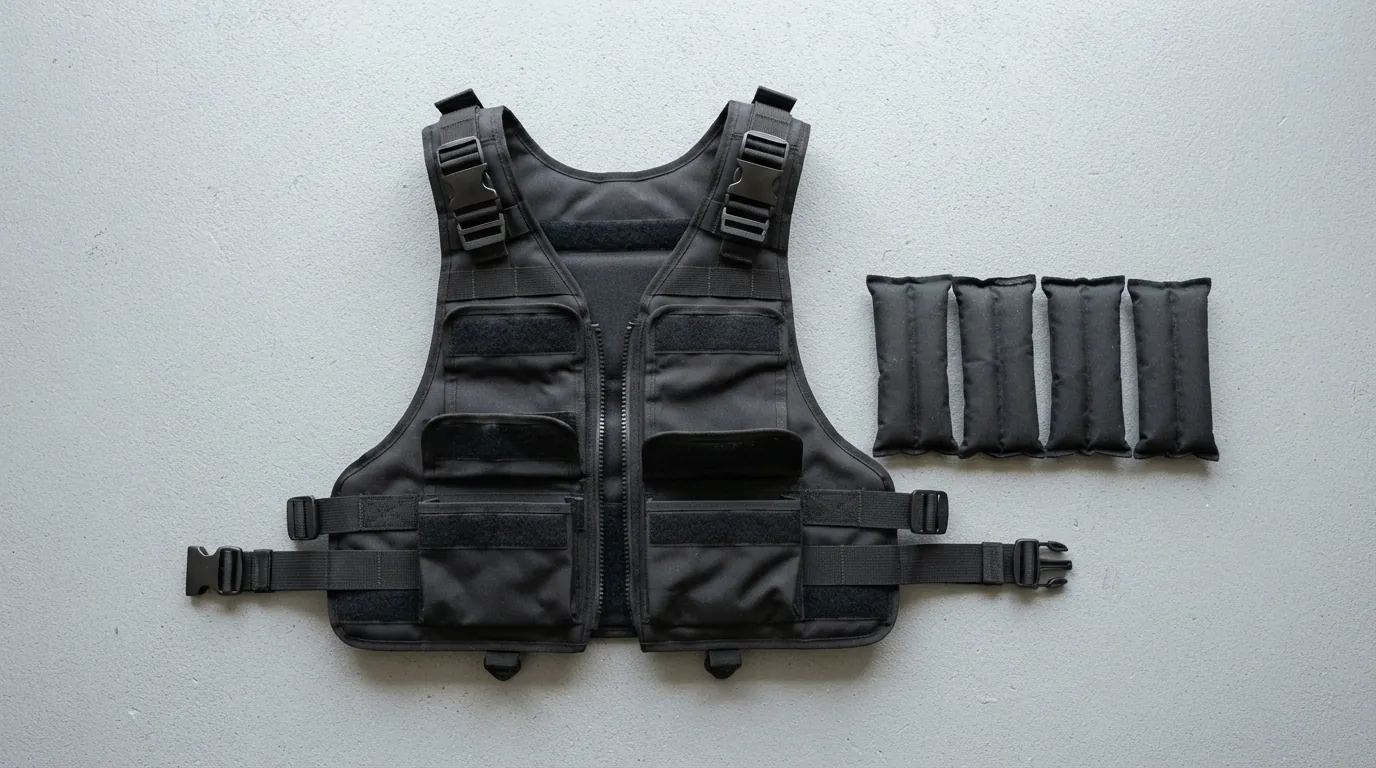
Most women should pick a weighted vest between 5% and 10% of their body weight, depending on the activity. A 140 lb woman starts with a 7 lb vest for walking and can work up to 10–14 lb for strength training. Buy adjustable — always — so you can add weight as you progress instead of replacing the whole vest. Running? Stay at or below 5% of body weight. Controlled strength exercises tolerate up to 10%, and experienced lifters can go higher gradually.
Table of contents
Women’s Weighted Vest Weight Chart by Body Weight
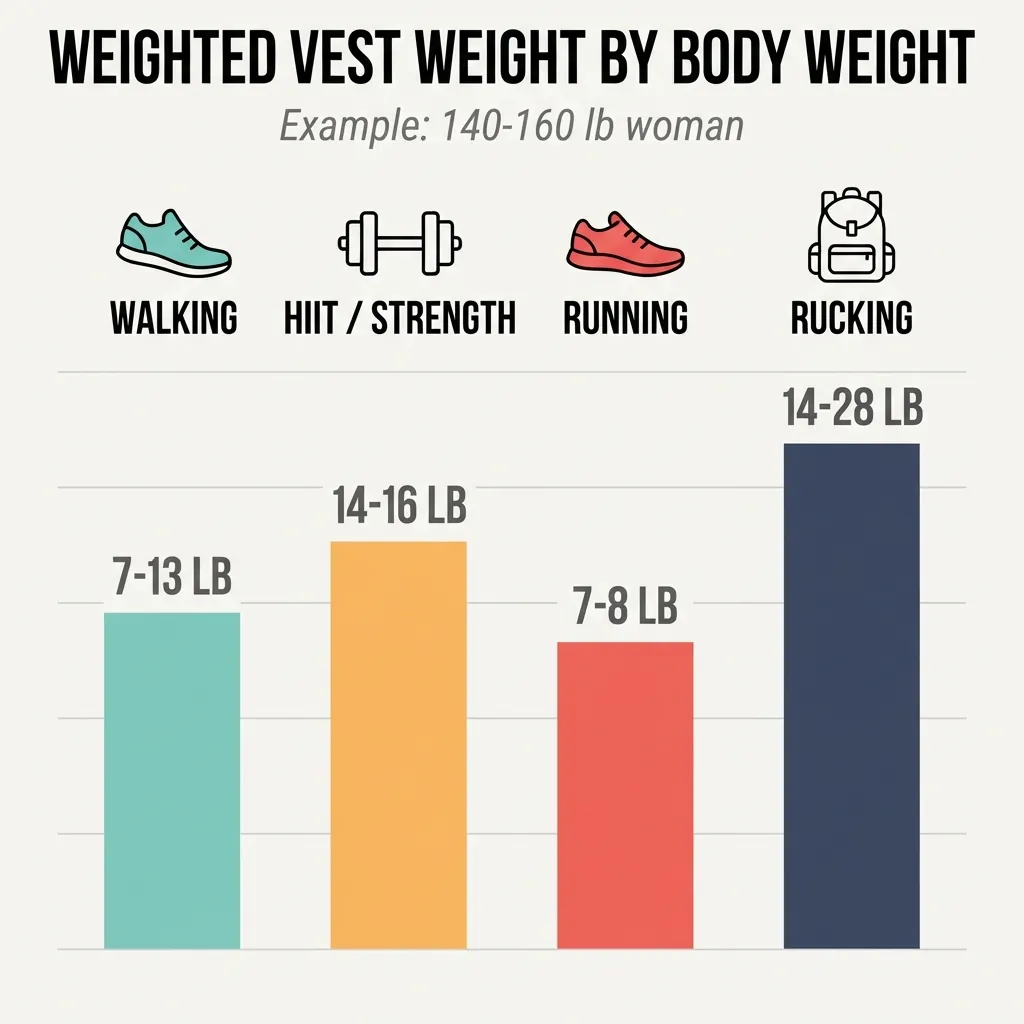
The chart below gives you a quick reference for vest weight based on your body weight and primary activity. Ranges are expressed as a percentage of body weight — walking uses less load than rucking because the impact pattern and joint stress differ.
| Your Body Weight | Walking (5–8% BW) | HIIT / Strength (up to 10% BW*) | Running (max 5% BW) | Rucking (10%+ BW) |
|---|---|---|---|---|
| 100–120 lb (45–54 kg) | 5–10 lb (2.3–4.5 kg) | 10–12 lb (4.5–5.4 kg) | 5–6 lb (2.3–2.7 kg) | 10–20 lb (4.5–9.1 kg) |
| 120–140 lb (54–64 kg) | 6–11 lb (2.7–5 kg) | 12–14 lb (5.4–6.4 kg) | 6–7 lb (2.7–3.2 kg) | 12–24 lb (5.4–10.9 kg) |
| 140–160 lb (64–73 kg) | 7–13 lb (3.2–5.9 kg) | 14–16 lb (6.4–7.3 kg) | 7–8 lb (3.2–3.6 kg) | 14–28 lb (6.4–12.7 kg) |
| 160–180 lb (73–82 kg) | 8–14 lb (3.6–6.4 kg) | 16–18 lb (7.3–8.2 kg) | 8–9 lb (3.6–4.1 kg) | 16–32 lb (7.3–14.5 kg) |
| 180–200 lb (82–91 kg) | 9–16 lb (4.1–7.3 kg) | 18–20 lb (8.2–9.1 kg) | 9–10 lb (4.1–4.5 kg) | 18–36 lb (8.2–16.3 kg) |
| 200+ lb (91+ kg) | 10–18 lb (4.5–8.2 kg) | 20–22 lb (9.1–10 kg) | 10–11 lb (4.5–5 kg) | 20–40+ lb (9.1–18.1+ kg) |
Beginners: use the lower end of each range. Intermediate trainees (3+ months of consistent vest work): use the higher end.
These percentages align with guidance from UCLA Health and Northwestern Medicine, both of which recommend starting at roughly 5% of body weight and progressing gradually (Source: UCLA Health, 2025; Northwestern Medicine, 2025).
How Heavy Should Your Weighted Vest Be by Activity?
Your ideal vest weight shifts based on what you’re doing — walking, running, strength training, and rucking each put different demands on joints and muscles. Here’s the breakdown for each.
Walking and Hiking
Start at 5–8% of your body weight for walking. That’s the sweet spot where you get meaningful calorie burn and muscle engagement without stressing your knees or lower back. A 150 lb woman begins with about 7.5 lb (Source: UCLA Health, 2025). If you’re doing Japanese indoor walking or treadmill sessions, the same range applies — the lower impact of flat surfaces means your joints handle the extra load well.
Add weight every 2–3 weeks as the walks feel easy. Dr. Sharon Hame at UCLA Health recommends keeping the weight the same while you increase distance or intensity of your walk (Source: UCLA Health, 2025).
Running and Cardio
Keep your vest at 5% of body weight or less for running. Period. A 2024 study on trained male trail runners found that a 5% load did not alter blood gas biomarkers but still reduced time to exhaustion by roughly 2.5%, while a 10% load cut it by about 6% (Source: Martinez-Noguera et al., Sports, 2024). Even 5% has a measurable cost — 10% makes it substantially worse.
Some fitness sites, SetForSet for example, recommend up to 10% of body weight for running. That contradicts the clinical consensus. Northwestern Medicine’s Dr. Sarah Harangody caps vest weight at 10% of body weight for all activities, and most sports medicine physicians go lower for running specifically because of repeated ground-impact forces. Stick with 5% max. If your boot camp workout includes running intervals, drop the vest weight down from whatever you used during the strength portion.
Strength Training and Calisthenics
For bodyweight exercises — push-ups, pull-ups, squats, lunges — start at up to 10% of body weight, which is the general ceiling Northwestern Medicine recommends for all vest activities (Source: Northwestern Medicine, 2025). Experienced lifters doing slow, controlled reps with no impact can progress beyond 10% following ACSM’s guidance to “train all major muscle groups at least twice a week” and increase resistance gradually (Source: ACSM, 2026).
A 140 lb woman would train with a 14–21 lb adjustable weighted vest. If you’re working on calisthenics arm workouts, start at the low end and build up over 4–6 weeks.
Rucking
Rucking handles heavier loads than most vest activities. Start at 10% of body weight, the general vest ceiling from Northwestern Medicine, and build up gradually over 8+ weeks. Experienced ruckers commonly work up to 20% of body weight, though this is practitioner convention rather than a clinical guideline. A 160 lb woman might start at 16 lb and work toward 32 lb over several months.
Hydration matters more here than in any other vest activity because sessions run longer. Check our guide on electrolytes for rucking for specific recommendations. And if you’re covering real distance, know how long it takes to walk 5 miles at various paces so you can plan water and nutrition.
How Should a Weighted Vest Fit a Woman?
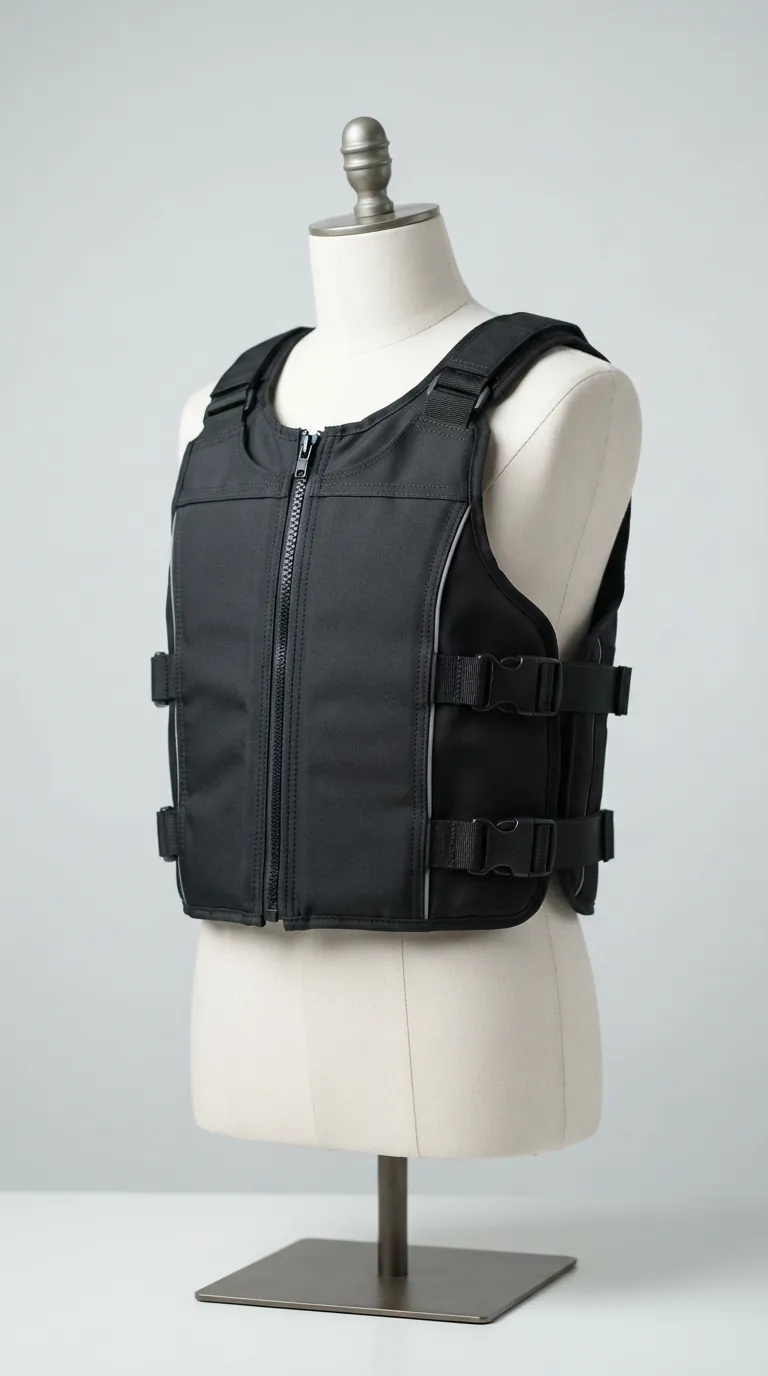
A weighted vest should sit snug against your torso without bouncing, shifting, or compressing your chest. Fit matters more than weight — a poorly fitted 10 lb vest causes more problems than a well-fitted 15 lb vest.
Torso length comes first. Measure from the top of your shoulder to your natural waist (the narrowest part of your torso, not your hips). Most vests are built for male proportions and run long on shorter torsos. Many women need a shorter vest — look for brands that sell “short” or “women’s” models.
Bust accommodation is the biggest differentiator. Two vest designs dominate the market:
- X-shape / open-front vests leave the chest area free and distribute weight across the shoulders and back. These work best for larger bust sizes.
- Full-torso panel vests distribute weight evenly front and back but can compress the chest. The Hyperwear Hyper Vest FIT is designed specifically for women’s proportions and uses a split-front panel.
Sports bra compatibility matters too. Wear your training bra when you try a vest — the combined compression of a high-support bra plus a tight vest panel can restrict breathing during high-intensity work.
Petite women (under 5’3″): Standard vests often hang below the waist and bump into your hips during movement. Prioritize short-torso models or vests with adjustable shoulder straps that pull the weight higher.
Plus-size women: Look for vests with extended side straps or side panels rather than fixed-width designs. Many “one-size” vests have limited chest capacity.
How to Check Your Vest Fits Right
- Jump in place three times — the vest should not bounce more than half an inch
- Raise both arms overhead — the vest should not ride up past your ribcage
- Take five deep breaths — you should feel no restriction across your chest
- Bend forward at the waist — the vest should not slide toward your neck
- Walk 50 steps — weight should feel centered, not pulling you forward or backward
6-Week Weighted Vest Progression Plan for Beginners
Start lighter than you think you need to. The ACSM’s 2026 position stand — which synthesized 137 systematic reviews covering 30,000+ participants — found that gradually increasing resistance over time matters more than starting heavy (Source: ACSM, 2026). This plan is built for a 140 lb woman. Scale the weights proportionally to your body weight.
| Week | Vest Weight | Activity | Sessions/Week |
|---|---|---|---|
| 1–2 | 7 lb / 3.2 kg (5% BW) | Walking 20–30 min | 3 |
| 3–4 | 8 lb / 3.6 kg | Walking 30–40 min | 3–4 |
| 5–6 | 10 lb / 4.5 kg (7% BW) | Walking 30–45 min or light HIIT | 4 |
Scale to your body weight. A 120 lb woman starts at 6 lb; a 180 lb woman starts at 9 lb. The percentages stay the same — only the absolute numbers change.
A 10 lb weighted vest works perfectly for this plan if you weigh between 130 and 160 lb. If you’re heavier or plan to progress into strength training, grab a 20 lb adjustable vest from the start, since you’ll remove plates early on and add them back as you build capacity.
Always buy adjustable over fixed-weight. A fixed 10 lb vest is useless once you outgrow it — and most women outgrow 10 lb within two months of consistent training. An adjustable vest that goes up to 20 lb gives you six months or more of headroom. The price difference is usually $15–25. That’s worth it.
After week 6, follow the same pattern: increase vest weight by 1–2 lb every 2–3 weeks, and add session duration or frequency — not both at the same time. Northwestern Medicine echoes this approach: “Listen to your body, and gradually increase the load as you get stronger” (Source: Northwestern Medicine, 2025).
Weighted Vest Sizing for Women Over 40 and 50
Women over 40 should start conservatively — at the lower end of UCLA Health’s recommended 5% of body weight — and progress more slowly than younger women. Where a 30-year-old might add weight every 2 weeks, women over 40 benefit from waiting longer between increases. Bone density, joint health, and recovery time all shift after 40, and especially around menopause.
Dr. Harangody at Northwestern Medicine notes that weighted vest walking “can prevent loss of bone density,” which is particularly relevant for postmenopausal women at higher fracture risk (Source: Northwestern Medicine, 2025). However, the picture is more nuanced than that single quote suggests.
The largest controlled trial on this topic, the INVEST study led by Beavers et al., enrolled 150 older adults (74.7% women) and found that neither daily weighted vest wear nor supervised resistance training prevented hip bone density loss during intentional weight loss over 12 months (Source: JAMA Network Open, 2025). That trial specifically studied people who were actively losing weight, which accelerates bone loss regardless. The takeaway: a weighted vest alone is not a bone-density fix, especially during caloric restriction. Pair it with resistance training and adequate calcium and vitamin D intake.
If you’re over 50, get medical clearance before starting. Particularly if you have osteoporosis, balance issues, or cardiovascular conditions. For supplement guidance, see our rundown on fitness supplements for women.
Medical disclaimer: This article provides general fitness information and is not a substitute for professional medical advice. Consult your physician before starting any new exercise program, especially if you have pre-existing conditions.
Sizing Mistakes That Cost You Progress
The most common mistake is starting too heavy. A vest over 10% of body weight on day one increases injury risk and kills consistency. These five errors slow women down most, and each has a one-line fix.
- Starting too heavy. The most common error. Your ego says 15 lb. Your joints say 7 lb. Listen to your joints. Start at 5% of body weight and earn the right to go heavier.
- Buying fixed-weight instead of adjustable. A fixed 10 lb vest becomes a shelf decoration within 8 weeks. Adjustable vests let you scale up without buying new gear.
- Ignoring torso length. A vest built for a 6-foot man will bounce on a 5’4″ woman’s hips with every step. That bouncing creates uneven loading and lower-back strain. Measure your torso before you buy.
- Skipping the sports bra test. If you can’t breathe comfortably with your training bra and the vest on, the vest doesn’t fit — no matter what the size chart says.
- Adding weight and distance simultaneously. Pick one variable to increase at a time. UCLA Health recommends keeping the weight the same while increasing distance or intensity (Source: UCLA Health, 2025).
Frequently Asked Questions
How heavy should a weighted vest be for walking?
For walking, aim for 5–8% of your body weight. A 150 lb woman would use a 7.5–12 lb vest. UCLA Health recommends starting at the 5% mark and increasing gradually as fitness improves (Source: UCLA Health, 2025). Walking is lower-impact than running, so you can tolerate slightly more weight — but “slightly” is the operative word. Build up over weeks, not days.
What weight to start with for a weighted vest as a beginner?
Beginners should start at 5% of body weight regardless of the activity. For a 140 lb woman, that’s 7 lb. The goal in weeks 1–4 is adaptation — letting your joints, core, and posture adjust to the extra load before you increase it. Stay at that starting weight for at least two full weeks before adding more.
How much should a weighted vest weigh for a 150 lb woman?
It depends on the workout. Walking: 7.5–12 lb. Strength training: up to 15 lb (10% of body weight). Running: no more than 7.5 lb. These ranges come from applying the standard 5–10% of body weight guidelines to 150 lb. Start at the bottom of each range and work up.
Is a 10 lb or 20 lb weighted vest better for women?
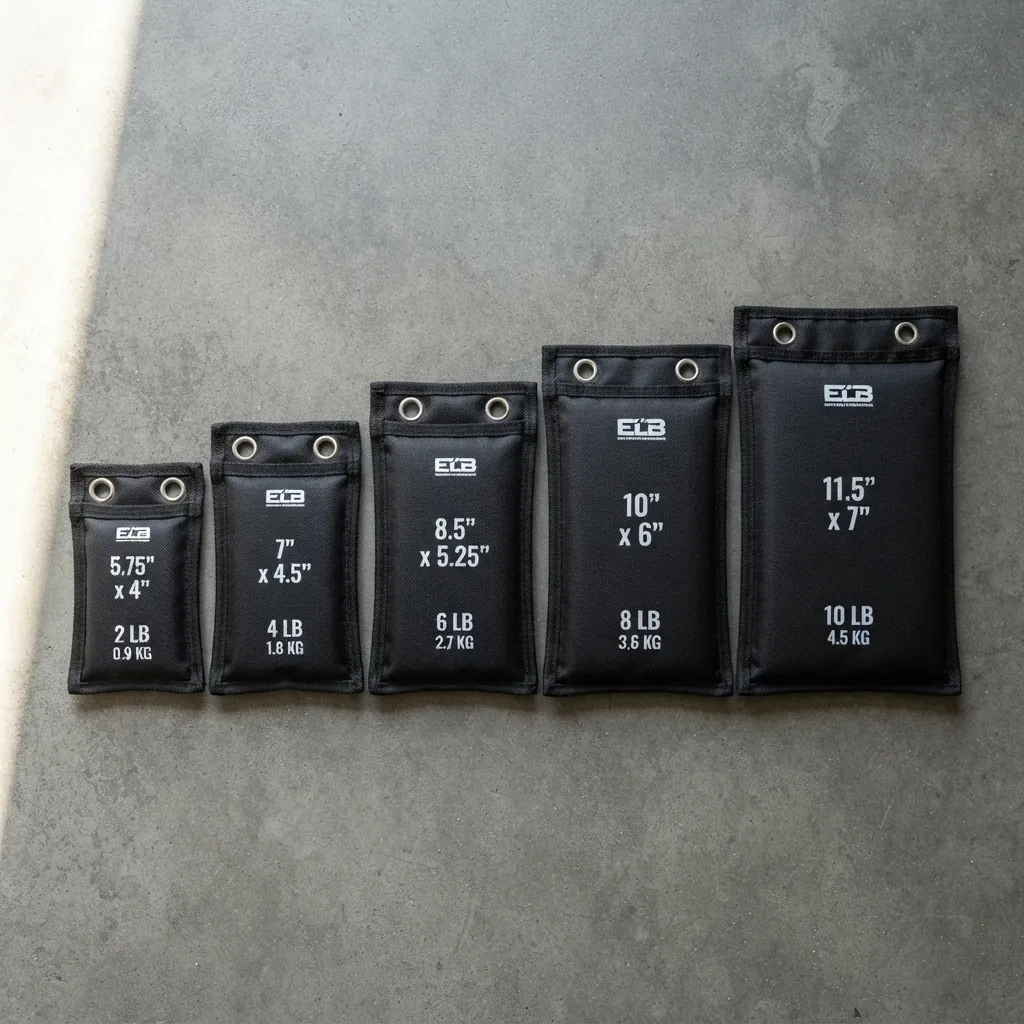
A 20 lb adjustable vest is the better buy for most women, even if you start at 7–10 lb. You remove plates to lower the weight and add them back as you progress. A fixed 10 lb vest gives you maybe 6–8 weeks before you plateau. The 20 lb adjustable version covers walking, HIIT, and early strength training in one purchase.
Can you wear a weighted vest every day?
You can, but you probably shouldn’t — at least not at first. Start with 3 sessions per week and build to 4–5 over several weeks. Daily use is fine once your body has adapted, but watch for joint soreness, unusual fatigue, or posture changes. Take a full rest day if any of those appear. Recovery is where adaptation happens.
What weighted vest weight for women over 50?
Start at the lower end of UCLA Health’s 5% guideline — around 5–8 lb for a 160 lb woman. Progress more slowly than the standard timeline, waiting until each weight feels genuinely easy before adding more. The Beavers et al. 2025 INVEST trial showed that vests alone may not protect bone density during weight loss, so pair vest walking with resistance training for the best outcome (Source: JAMA Network Open, 2025). Get medical clearance before starting.
Sources
- UCLA Health. “Should You Walk With a Weighted Vest?” October 2025. https://www.uclahealth.org/news/article/should-you-walk-with-weighted-vest
- Northwestern Medicine. “Should You Wear a Weighted Vest for Workouts?” February 2025. https://www.nm.org/healthbeat/healthy-tips/fitness/should-you-wear-a-weighted-vest-for-workouts
- Beavers KM, et al. “Weighted Vest Use or Resistance Exercise to Offset Weight Loss–Associated Bone Loss in Older Adults: A Randomized Clinical Trial.” JAMA Network Open. June 2025. https://jamanetwork.com/journals/jamanetworkopen/fullarticle/2835505
- Currier BS, et al. “Resistance Training Prescription for Muscle Function, Hypertrophy, and Physical Performance in Healthy Adults.” ACSM Position Stand. Medicine and Science in Sports and Exercise. April 2026. https://acsm.org/resistance-training-guidelines-update-2026/
- Martinez-Noguera FJ, et al. “Effect of Weighted Vest at 0%, 5% and 10% of Body Mass on Gasometry Biomarkers and Performance during a Rectangular Test in Trained Trail Runners.” Sports. 2024. https://pmc.ncbi.nlm.nih.gov/articles/PMC11436076/
- SetForSet. “What Size and Type of Weighted Vest Should I Buy?” https://www.setforset.com/blogs/news/weighted-vest-size-for-running-and-workouts