
Last updated: May 2026 — written by the Gymnase Tips training team.
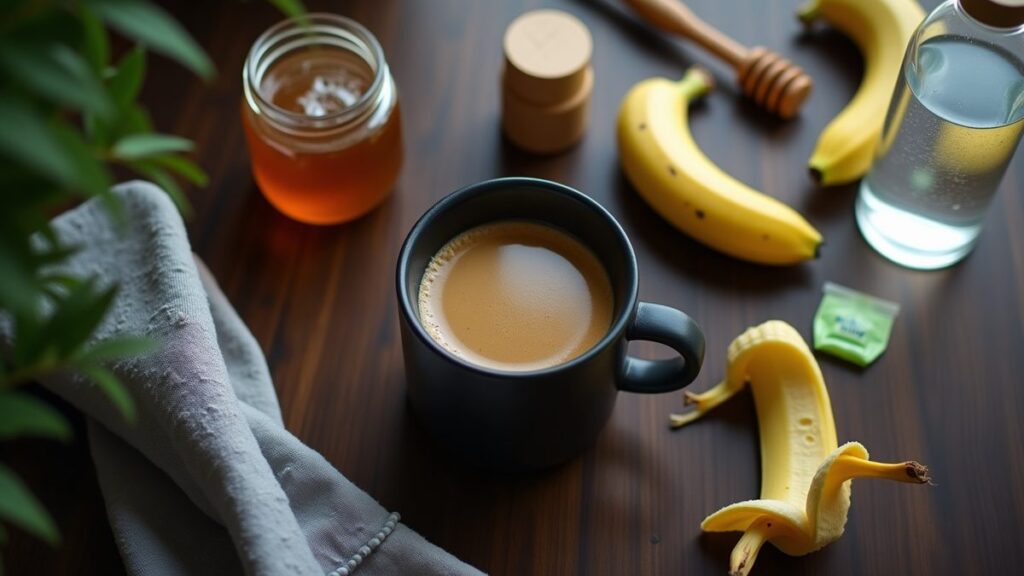
The cheapest, most effective pre-workout alternative is a strong cup of black coffee (95–150 mg caffeine) plus a banana — total cost about $0.50, total effect roughly 80% of a branded pre-workout. Beyond that, the proven alternatives are DIY citrulline + caffeine stacks ($0.60–1.00/serving), beetroot juice ($1–2/serving for endurance work), energy gels (Maurten, GU — $1.50–3.00 for endurance athletes), green tea + carbs, and yerba mate. Branded pre-workouts charge $1.20–2.00/serving for ingredient combinations you can replicate at home for half the price. The 7 alternatives below cover every training context.
This guide covers 7 pre-workout alternatives that actually work, the science of why they work, the ideal use case for each, real-world cost analysis, when to choose each over a branded pre-workout, and the alternatives marketed as “natural” that don’t actually replace pre-workout performance.
Why look for alternatives in the first place
Branded pre-workouts cost $40–60 for 30 servings ($1.20–2.00/serving). Most of what you’re paying for is:
- Caffeine — chemically identical to coffee caffeine
- L-citrulline — available in bulk for $25/lb (~$0.10/serving at 6 g)
- Beta-alanine — bulk for $15/lb (~$0.05/serving at 3.2 g)
- Flavoring, sweeteners, fillers, marketing markup
The active ingredients are commodities. The brand markup is real. Anyone willing to mix powder in water (or just drink coffee) can replicate 80–90% of the performance benefit at a fraction of the cost. The 7 alternatives below cover different training contexts, budgets, and ingredient sensitivities.
1. Black coffee + banana — the gold standard
Cost: ~$0.50/serving. Effect: ~80% of branded pre-workout performance.
One cup of strong coffee (95–150 mg caffeine) plus one banana (25–30 g fast carbs, potassium for muscle contraction). The caffeine alone is the single most evidence-backed performance ingredient in any pre-workout — branded or otherwise. The banana provides quick fuel without GI distress. Take 30–45 min before training.
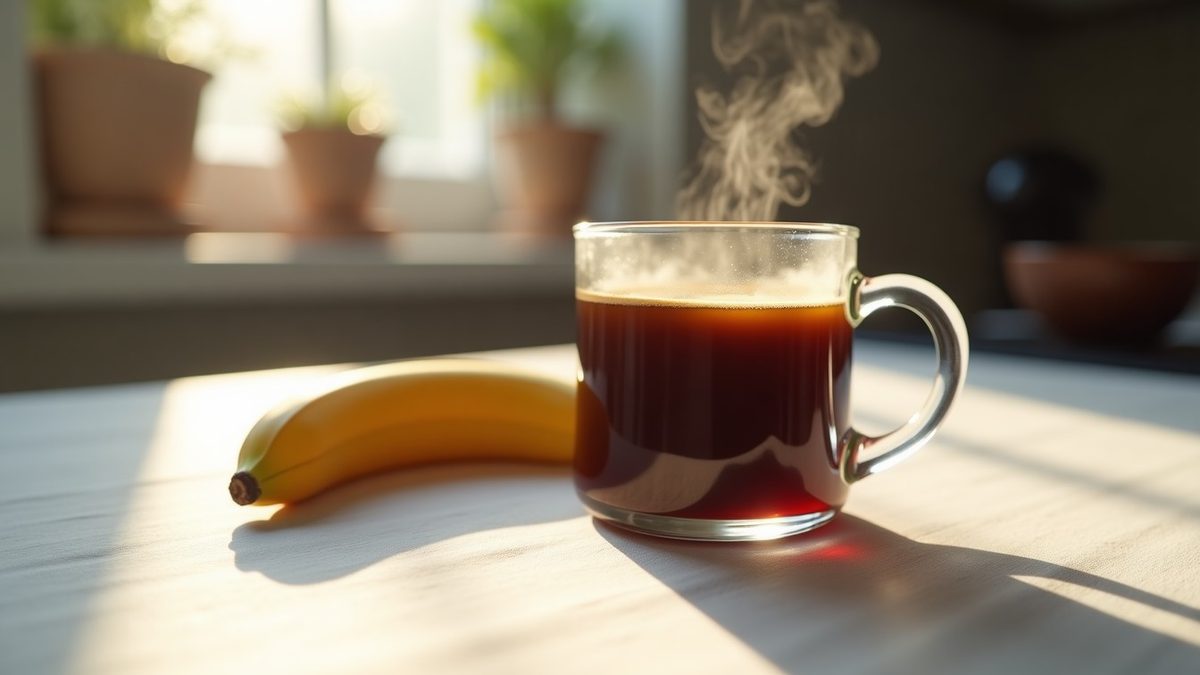
Best for: heavy compound lifting, AM training, anyone who already drinks coffee daily. Skip if: you’re caffeine-sensitive (~5% of adults) or training within 6 hours of bedtime.
2. DIY citrulline + caffeine + creatine stack
Cost: ~$0.60–1.00/serving. Effect: ~95% of branded pre-workout performance.
The recipe:
- 6 g bulk L-citrulline (~$0.10) — pump and rep volume
- 1 cup black coffee or 200 mg caffeine pill (~$0.05–0.30) — energy and metabolic boost
- 3.2 g bulk beta-alanine (~$0.05) — endurance, but causes tingling
- 5 g creatine monohydrate (~$0.10) — daily intake, not session-dependent
- Pinch of pink salt + 16 oz water
This stack delivers the same active ingredients as Legion Pulse, Transparent Labs BULK, or Pre-Kaged at a fraction of the cost. Buy bulk powders from BulkSupplements, NOW Foods, or PrimaForce for verified quality. See our natural pre-workout guide for more DIY recipes.
3. Beetroot juice — for endurance work
Cost: $1–2/serving (concentrated shots). Effect: 1–3% endurance improvement over 60+ min sessions.
Beetroot contains dietary nitrates that the body converts to nitric oxide via a different pathway than citrulline. Effect peaks 2–3 hours after ingestion, so time it earlier than other pre-workout ingredients. Brands worth knowing: Beet It Sport Shots, HumanN BeetElite, Love Beets Beetroot Juice.
Best for: runners, cyclists, swimmers, anyone training over 60 minutes. Skip if: short, max-effort lifting (under 30 min) — the endurance benefit is irrelevant. See our best pre-workout for running guide.
4. Energy gels — for endurance athletes
Cost: $1.50–3.00/serving. Effect: sustained energy for 60–90+ min sessions.
Energy gels deliver 25–40 g fast carbs in a small package — the bulk of pre-workout performance fuel without the stimulant load. Best brands: Maurten Gel 100 / 100 Caf, GU Roctane, Honey Stinger, SiS Beta Fuel. The Maurten and GU products with caffeine (50–100 mg) effectively combine “energy gel” and “pre-workout” functions in one pouch.
Best for: long runs, marathons, 60+ min cycling, hiking, climbing. Skip if: short gym workouts — the carb load is overkill.
5. Green tea + dates or honey
Cost: ~$0.30–0.50/serving. Effect: ~60% of branded pre-workout performance.
1 cup green tea steeped 5+ minutes (~50 mg caffeine + 100–200 mg EGCG) plus 2 medjool dates or 1 tbsp honey for fast carbs. Lower-stim alternative for caffeine-sensitive users or evening trainers. Add 5 g creatine for compound effect.
Best for: caffeine-sensitive users, evening training, anyone who finds coffee too aggressive. Skip if: heavy strength training where higher caffeine matters.
6. Yerba mate
Cost: $0.40–0.80/serving. Effect: caffeine + theobromine + saponins for clean, sustained energy.
Yerba mate (the South American tea) delivers 70–80 mg caffeine per cup plus theobromine (cocoa’s active compound) and saponins. Many users report a smoother, less jittery energy curve than coffee. Brands: Guayakí Yerba Mate, CLEAN Cause, EOS Mate. Available in tea bags, loose leaf, and ready-to-drink cans.
Best for: users who get jittery from coffee, vegan/clean-label preference. Skip if: you need quick caffeine spike (mate’s effect builds slower than coffee).
7. Caffeine pouches / chews
Cost: $0.75–1.50/serving. Effect: ~70% of branded pre-workout caffeine effect, no other ingredients.
Caffeine pouches (Grinds, Lucy Caffeine, Joyride) and caffeine chews/gum (Run Gum, Jolt Gum) deliver 50–100 mg caffeine via buccal absorption — faster onset than swallowed forms. Best for travel, outdoor workouts, no-water situations. See our pre-workout pouches guide for full details.
Best for: travel, hiking, no-shaker situations, office workouts. Skip if: heavy gym training (the dose is too low).
Quick comparison table
| Alternative | Cost/serving | Performance vs branded | Best use case |
|---|---|---|---|
| Black coffee + banana | $0.50 | ~80% | AM training, daily lifting |
| DIY citrulline stack | $0.60–1.00 | ~95% | Serious lifting |
| Beetroot juice | $1–2 | ~70% (endurance only) | Long cardio, 60+ min |
| Energy gels (Maurten/GU) | $1.50–3.00 | Endurance: 100%+ | Marathons, long rides |
| Green tea + dates | $0.30–0.50 | ~60% | Evening, caffeine-sensitive |
| Yerba mate | $0.40–0.80 | ~70% | Smooth caffeine, clean label |
| Caffeine pouches | $0.75–1.50 | ~70% | Travel, outdoor |
“Alternatives” that don’t actually work
- Apple cider vinegar — no real performance benefit
- Lemon water — hydration only; not pre-workout fuel
- Maca root — possible mild adaptogenic benefit, no ergogenic effect
- Detox teas — diuretic; the opposite of what you want before training
- “Pre-workout” smoothies marketed for fitness with no caffeine and minimal carbs — usually marketing hype
These appear in lifestyle blogs as “natural pre-workout” alternatives but lack the active ingredients (caffeine, citrulline, fast carbs) that actually drive performance. Use them as wellness habits, not training fuel.
When to buy a branded pre-workout
The alternatives above cover most training contexts. Branded pre-workouts make sense when:
- You want convenience — one scoop, no DIY mixing
- You compete in tested sports — Informed Sport certification matters; bulk powders aren’t certified
- You want consistent dosing — DIY mixing is variable
- You travel often — pre-portioned scoops and pouches beat carrying multiple bags of bulk powder
- You like the flavor and ritual — taste is a real factor in adherence
Pre-Workout Alternatives FAQ
What can I take instead of pre-workout?
The most effective alternatives are: black coffee plus a banana (cheapest), DIY citrulline + caffeine + creatine stack (most complete), beetroot juice (best for endurance), and energy gels for long sessions. Each delivers most of what branded pre-workouts provide at lower cost.
Is coffee as good as pre-workout?
Roughly 80% as effective for the energy and metabolic boost. The caffeine in coffee is chemically identical to pre-workout caffeine. Branded pre-workouts add citrulline (pumps), beta-alanine (endurance), and creatine — but you can stack those separately if you want them.
Can I just drink coffee before lifting?
Yes — many serious lifters do exactly this. 1–2 cups (95–300 mg caffeine) 30–45 min before training delivers the energy benefit. Add a banana or rice cake with honey for fast carbs, and 5 g creatine daily, and you have a complete pre-workout for under $1.
What’s a healthy pre-workout alternative?
Green tea (50 mg caffeine + EGCG antioxidants) plus 2 dates and 5 g creatine. Lower stimulant load than coffee, antioxidant benefit, no artificial ingredients. Total cost ~$0.40/serving.
Are pre-workout alternatives safer than pre-workout?
Generally yes — single-source caffeine (coffee, green tea) avoids the high-dose stim stacks (300+ mg caffeine plus yohimbine plus synephrine) that drive most pre-workout side effects. For users with anxiety, hypertension, or heart conditions, the alternatives are clearly safer.
Can I make my own pre-workout?
Yes — and most experienced lifters who care about cost or transparency do. Buy bulk L-citrulline ($25/lb), bulk beta-alanine ($15/lb), and use coffee for caffeine. Total cost ~$0.60–1.00 per serving. Mix in water 30 min pre-workout. See our natural pre-workout guide.
The bottom line: the cheapest, most effective pre-workout alternative is black coffee plus a banana — covering 80% of branded pre-workout performance for under $0.50. For 95% performance with 50% cost savings, build a DIY citrulline + caffeine + creatine stack from bulk powders. Use beetroot juice for endurance, energy gels for long sessions, and caffeine pouches for travel. Branded pre-workouts earn their price for convenience, taste, and tested-sport certification — but not for unique ingredient access. For complete pre-workout strategy see our natural pre-workout, best pre-workout for women, and how to take pre-workout guides.

Pingback: Pre-Workout Without Sucralose: 6 Naturally-Sweetened Picks - Gymnase Tips
Pingback: High Stimulant Pre-Workout: 5 Best Picks for 2026