

TL;DR — Do Hormone Balance Supplements Actually Work?
“Hormone balance supplements” is a marketing label, not a medical category. No single pill regulates estrogen, progesterone, cortisol, insulin, and thyroid at once. A few ingredients — myo-inositol, vitex, ashwagandha — have condition-specific evidence at specific doses. Most products on Amazon do not. Below: what works, what doesn’t, and what interacts with your medications.
Table of contents
Gymnase Tips is reader-supported. When you buy through links on our site, we may earn an affiliate commission at no extra cost to you.
Medical disclaimer: This guide is general information, not medical advice. Check with your doctor or pharmacist before starting any supplement, especially if you take prescription medication, have a thyroid or hormone condition, or are pregnant or breastfeeding.
What “Hormone Balance” Actually Means (and Why One Supplement Can’t Fix It)
“Hormone balance” is not a medical diagnosis. Your body runs at least six major hormonal systems — estrogen, progesterone, testosterone, cortisol, insulin, thyroid — each governed by its own feedback loop involving the hypothalamus, pituitary, and target glands. A capsule that “balances hormones” would need to act on all of them differently, at the same time, in the right direction. That product does not exist.
Here is what actually happens when you see a “hormone balance blend” on a label. The manufacturer picked ingredients associated with one or two hormonal pathways and applied a broad marketing claim. Ashwagandha may lower cortisol. Vitex may shift prolactin. Myo-inositol may improve insulin signaling. None of them does all three.
This matters because the wrong ingredient for the wrong condition wastes money and can cause harm. Vitex taken for cortisol stress does nothing. Ashwagandha taken alongside thyroid medication can push thyroid levels dangerously high. The rest of this guide sorts ingredients by the condition they actually have evidence for.
One more thing. For menopause-related hormone symptoms, hormone replacement therapy (HRT / MHT) remains the most effective, most studied option. Supplements are adjuncts. They are not replacements for medical treatment, and they are not substitutes for blood work that identifies which hormones are actually off.
For the stage-by-stage difference, see perimenopause vs menopause stages.
Evidence-Grade Summary Table
The table below grades every ingredient discussed in this guide. “Strong” means multiple human RCTs or a meta-analysis with consistent positive results. “Moderate” means at least one well-designed RCT with positive findings, or mixed results across several trials. “Weak” means small, poorly designed, or negative trials. “Marketing-only” means no human trial supports the specific hormone claim on the label.
| Ingredient | Target Condition | Evidence Grade | Key Study or Review | Typical Dose Range |
|---|---|---|---|---|
| Myo-inositol | PCOS (insulin, androgens) | Strong | Greff et al. 2023 meta-analysis, 26 RCTs | 4 g/day + 100 mcg folic acid |
| Vitex (chasteberry) | PMS symptoms | Moderate | Schellenberg 2001 RCT (BMJ); Verkaik et al. 2017 systematic review | 20–40 mg/day (extract-dependent) |
| Ashwagandha | Cortisol / stress | Moderate | Lopresti et al. 2019 RCT (Medicine) | 240–600 mg/day (standardized extract) |
| DIM | Estrogen metabolite ratio | Moderate | Thomson et al. 2017 RCT (Breast Cancer Res Treat) | 100–300 mg/day |
| Vitamin B6 | PMS mood symptoms | Moderate | Wyatt et al. 1999 systematic review (BMJ) | 50–100 mg/day (do not exceed 100 mg) |
| Zinc | PCOS (insulin) | Weak | 2025 pooled mineral meta-analysis (BMC Endocr Disord); small individual RCTs | 25–30 mg/day (UL: 40 mg) |
| Black cohosh | Hot flashes | Moderate | NCCIH monograph; 2023 review of 22 studies | 40–80 mg/day (standardized extract) |
| Soy isoflavones | Hot-flash frequency | Moderate | Taku et al. 2012 meta-analysis, 13 RCTs | 40–80 mg isoflavones/day |
| Maca | Menopause symptoms | Weak | Lee et al. 2011 systematic review, 4 small RCTs | 2,000–3,000 mg/day |
| Rhodiola rosea | Stress / fatigue | Weak | Ishaque et al. 2012 systematic review, 11 trials | 200–600 mg/day |
| Evening primrose oil | PMS | Weak (negative) | AAFP 2009 review of 4 trials: not effective vs placebo | 3,000–6,000 mg/day |
| Calcium D-glucarate | Estrogen metabolism | Marketing-only | Animal/in-vitro studies only; no human RCTs (Source: MSKCC) | Not established in humans |
(Source citations appear in each section below.)
Supplements for PMS and Cycle Regulation
Vitex (chasteberry) and vitamin B6 have the strongest PMS evidence among supplements. Vitex at 20 mg/day improved PMS symptom scores in the largest RCT, though effect sizes were modest and the trial was manufacturer-funded. B6 at 50–100 mg/day may reduce mood-related PMS symptoms based on a systematic review of nine trials. Evening primrose oil is widely sold for cycle symptoms, but the best-quality trials found it no better than placebo.
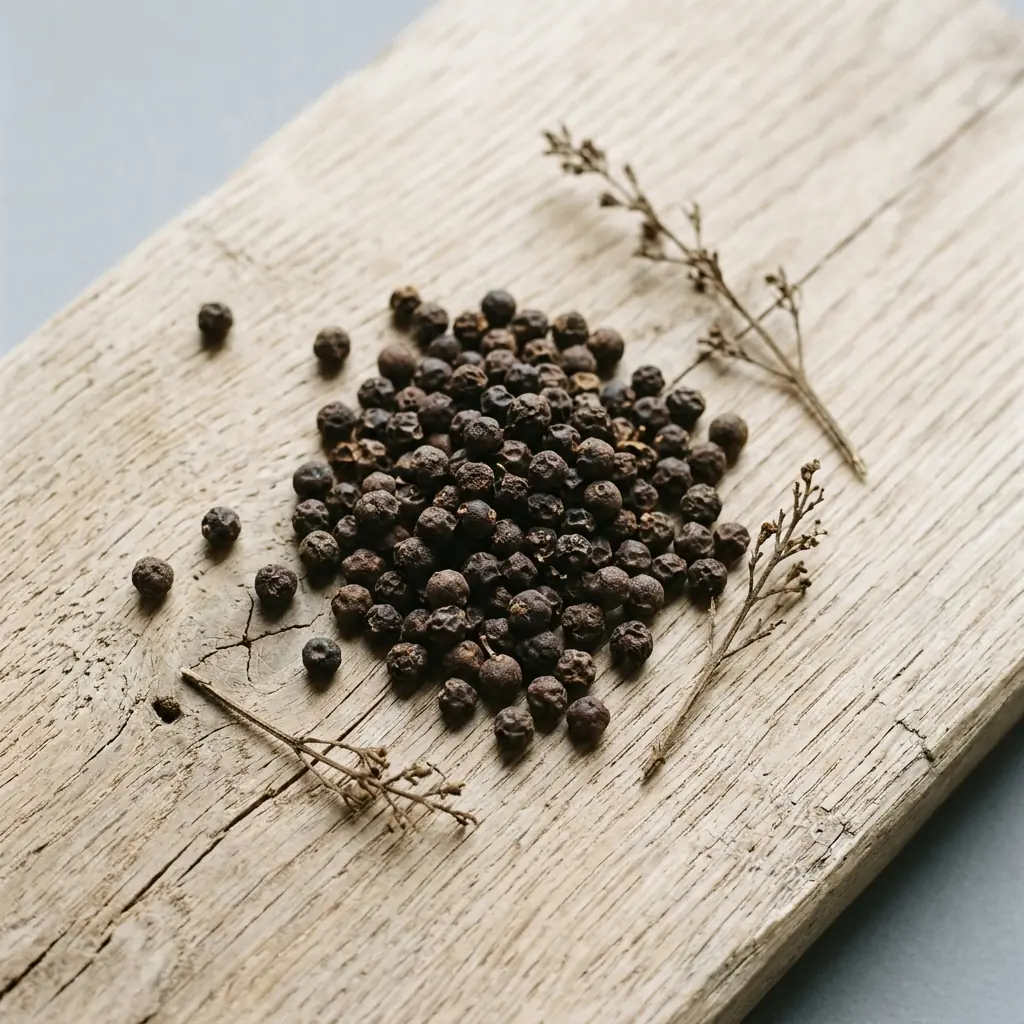
Vitex (Chasteberry)
The landmark trial randomized 178 women with PMS to 20 mg/day of a standardized extract (Ze 440) or placebo for three menstrual cycles. Fifty-two percent of women on vitex met the 50% symptom-reduction threshold, compared to 24% on placebo. Irritability, mood changes, headache, and breast fullness improved the most (Source: Schellenberg, BMJ, 2001; PMID 11159568).
A later dose-ranging trial confirmed 20 mg as the optimal dose for the Ze 440 extract (Source: Schellenberg et al., Phytomedicine, 2012; PMID 22770473). A 2017 systematic review of 14 RCTs found a large pooled effect for vitex on PMS symptoms, but flagged high risk of bias and variability between extracts (Source: Verkaik et al., Am J Obstet Gynecol, 2017).
Expect results after two to three full cycles. Faster is not realistic.
Safety note: Vitex acts on dopamine and prolactin pathways. Preclinical studies suggest it may interfere with the action of dopamine agonists or enhance their side effects, and may decrease the effects of oral contraceptives (Source: MSKCC Chasteberry Monograph). The Australian TGA received two post-market case reports of unintended pregnancy in women combining vitex with hormonal contraceptives (Source: TGA, 2019). Avoid vitex during pregnancy and lactation (Source: MSKCC Chasteberry Monograph).
Product options: vitex chasteberry.
Vitamin B6
A systematic review of nine RCTs (940 women) found vitamin B6 at doses up to 100 mg/day improved overall PMS symptoms with an odds ratio of 2.32 (95% CI: 1.95–2.54) compared to placebo. Depressive symptoms also improved, though the included trials were mostly low quality (Source: Wyatt et al., BMJ, 1999).
Keep doses at or below 100 mg/day. The NIH Office of Dietary Supplements set the adult upper limit at 100 mg specifically because chronic high-dose pyridoxine (1–6 g/day) causes sensory neuropathy, and even 200 mg/day long-term carries uncertain risk. The FNB halved the no-observed-adverse-effect level as a safety margin (Source: NIH ODS Vitamin B6 Fact Sheet).
Neuropathy symptoms: numbness, tingling, loss of coordination. They typically reverse after stopping the supplement.
Product options: vitamin B6 P-5-P.
Evening Primrose Oil
Skip it for PMS unless you have a specific reason your doctor supports. A review of four small RCTs found evening primrose oil at 3–6 g/day was not effective for overall PMS symptoms compared to placebo (Source: AAFP, Am Fam Physician, 2009). A 2024 systematic review of EPO across inflammatory conditions reached the same conclusion for PMS specifically (Source: BMC Complement Med Ther, 2024). The marketing outpaces the evidence here by a wide margin.
Supplements for PCOS and Insulin Resistance
Myo-inositol has the strongest supplement evidence for PCOS. A 2023 meta-analysis of 26 RCTs (1,691 women) found it lowered free testosterone, total testosterone, androstenedione, and fasting glucose while raising sex-hormone-binding globulin, all compared to placebo. It was non-inferior to metformin on most outcomes (Source: Greff et al., Reprod Biol Endocrinol, 2023). DIM and zinc play supporting roles with weaker evidence.
PCOS requires a medical diagnosis. If you suspect it, get tested. Metformin, spironolactone, and oral contraceptives remain first-line treatments depending on symptoms. Supplements are additions, not substitutions.
Myo-Inositol
The standard protocol: 4 g/day of myo-inositol combined with 100 mcg folic acid, usually in powder form mixed into water. This matches the dosing in most of the 26 RCTs pooled in the Greff 2023 review.
How it works: myo-inositol is a second messenger in insulin signaling. In PCOS, insulin resistance drives excess androgen production. By improving insulin sensitivity, myo-inositol may reduce testosterone levels and restore ovulatory cycles.
Timeline: most trials ran 12–24 weeks before measuring outcomes. Do not expect meaningful changes at four weeks.
Product options: myo-inositol powder.
A separate systematic review conducted for the 2023 International PCOS Guidelines (Fitz et al., JCEM, 2024) included 30 trials and was more conservative. It found metabolic improvements but concluded that evidence for ovulation and menstrual regularity was less certain, partly due to research integrity concerns in some included trials (Source: Fitz et al., J Clin Endocrinol Metab, 2024).
Both reviews agree on the metabolic benefits. The disagreement is about how far the reproductive outcomes extend.
DIM (Diindolylmethane)
DIM shifts estrogen metabolism toward the 2-OHE1 pathway and away from 16-alpha-OHE1. In a 12-month RCT of 130 women on tamoxifen, 150 mg twice daily of BR-DIM significantly increased the 2-OHE1:16-alpha-OHE1 ratio compared to placebo (Source: Thomson et al., Breast Cancer Res Treat, 2017).
That ratio is a proposed biomarker, not a confirmed clinical endpoint. Whether changing it meaningfully reduces breast cancer risk or improves PCOS symptoms remains debated.
DIM is sometimes marketed as a PCOS supplement, but no RCT has tested DIM specifically for PCOS outcomes like androgen levels or ovulation. Its value in PCOS is theoretical. Stick with myo-inositol as the primary option.
Safety note: DIM alters estrogen metabolism. If you are on estrogen therapy, tamoxifen, or aromatase inhibitors, discuss DIM with your oncologist or endocrinologist before use. It is not a casual add-on.
Product options: DIM supplement.
Zinc
Zinc participates in insulin signaling and androgen metabolism, but the human evidence specific to zinc supplementation in PCOS is thin. A 2025 meta-analysis pooling mineral supplements (zinc, magnesium, chromium, and selenium) in women with PCOS found the combination improved insulin-resistance markers, though zinc’s individual contribution was not isolated (Source: BMC Endocrine Disorders, 2025).
No large standalone RCT establishes a zinc-specific dose for PCOS androgen reduction. Most small trials used 50 mg/day for 8 weeks, which exceeds the NIH upper limit of 40 mg/day for adults.
Stay at or below 40 mg/day unless a physician is monitoring copper levels. Chronic zinc intake above 40 mg/day suppresses copper absorption, which can cause anemia and immune dysfunction (Source: NIH ODS Zinc Fact Sheet).
Product options: zinc supplement.
Supplements for Cortisol and Stress
Ashwagandha (KSM-66 or Sensoril extracts) is the best-studied supplement for cortisol. A 2019 RCT found 240 mg/day of a standardized ashwagandha extract reduced morning cortisol by 23% over 60 days, compared to a 0.5% increase in the placebo group (Source: Lopresti et al., Medicine, 2019; PMID 31517876). Rhodiola has fewer and smaller trials. Neither replaces adequate sleep, exercise, or professional treatment for chronic stress.
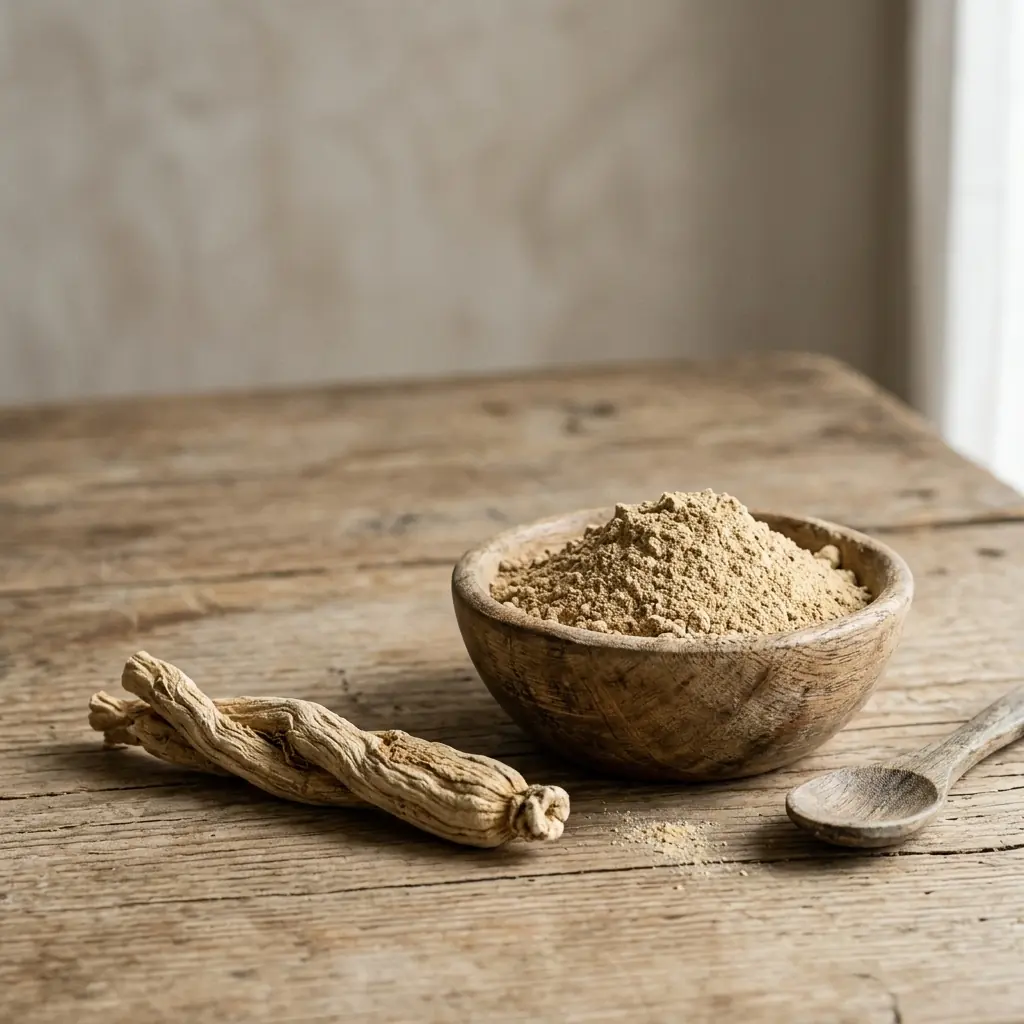
Ashwagandha
The Lopresti 2019 trial used Shoden extract (240 mg/day providing 84 mg withanolide glycosides) in 60 stressed but otherwise healthy adults. The time-by-group interaction was significant (F = 8.95, P < .001). Women showed a 25% cortisol drop; men, 22%. Anxiety scores on the HAM-A scale also improved (P = .040), though the DASS-21 stress measure did not reach significance (P = .096).
Other trials have used higher doses of different extracts. KSM-66 (300–600 mg/day) and Sensoril (125–250 mg/day) are the two most studied branded forms. The key point: extracts are not interchangeable. Withanolide concentrations vary, and a dose for one extract does not translate directly to another.
Product options: ashwagandha KSM-66.
Critical safety note — thyroid: Multiple case reports document thyrotoxicosis (dangerously high thyroid hormone levels) in people taking ashwagandha. MSKCC notes that ashwagandha may increase thyroxine levels, and that thyrotoxicosis has been associated with ashwagandha supplement use, with symptoms resolving after cessation (Source: MSKCC Ashwagandha Monograph). One published case involved a 73-year-old woman who developed supraventricular tachycardia after two years of ashwagandha use (Source: Cureus, 2022; PMC9035336). If you take levothyroxine or any thyroid medication, do not add ashwagandha without your endocrinologist’s approval.
Ashwagandha may also amplify sedative effects. MSKCC advises that patients taking benzodiazepines, anticonvulsants, or barbiturates should likely avoid ashwagandha, as preclinical studies suggest it has sedative and GABAergic properties with potential additive effects (Source: MSKCC Ashwagandha Monograph). Pregnant women should avoid ashwagandha, as it may increase the risk of miscarriage at higher doses (Source: MSKCC Ashwagandha Monograph).
Rhodiola Rosea
Rhodiola has a smaller, weaker evidence base than ashwagandha. A 2012 systematic review identified 11 trials (10 RCTs and one controlled clinical trial), but all exhibited either high risk of bias or reporting flaws (Source: Ishaque et al., BMC Complement Altern Med, 2012). One 28-day trial of 60 adults found rhodiola (576 mg/day SHR-5 extract) improved burnout scores and reduced the cortisol awakening response compared to placebo (P = 0.038) (Source: Olsson et al., Planta Medica, 2009; PMID 19016404). Other small studies produced inconsistent cortisol results.
If ashwagandha is off the table due to thyroid concerns, rhodiola is a reasonable second choice. But set expectations low. The evidence is preliminary.
Product options: rhodiola rosea.
Vitamins to Balance Hormones: Estrogen Metabolism
DIM and calcium D-glucarate are the two supplements most commonly marketed for estrogen metabolism. DIM has moderate evidence for shifting estrogen metabolite ratios. Calcium D-glucarate inhibits beta-glucuronidase in animal studies; human trial data is essentially nonexistent.
DIM — Estrogen Metabolite Ratio
DIM’s mechanism is covered in the PCOS section above. The short version: it promotes the 2-hydroxylation pathway over 16-alpha-hydroxylation. The Thomson 2017 RCT showed a statistically significant increase in the 2-OHE1:16-alpha-OHE1 ratio at 300 mg/day over 12 months. One trial in 15 BRCA1 carriers at 300 mg/day found no significant change (Source: Nikitina et al., Fam Cancer, 2015; PMID 25613194).
The results are mixed. DIM probably does shift estrogen metabolism at adequate doses, but whether that shift translates to meaningful health outcomes is unresolved.
Calcium D-Glucarate
Calcium D-glucarate is the ingredient Bing Copilot cites for estrogen balance that no Google top-10 result covers. Here is why: there are no published human clinical trials.
The proposed mechanism is sound on paper. D-glucaric acid converts to D-glucaro-1,4-lactone, which inhibits beta-glucuronidase. That enzyme reverses glucuronidation, a liver process that tags estrogen and other compounds for excretion. Block the enzyme, and more estrogen gets excreted. Animal studies showed reduced beta-glucuronidase activity, but no human data confirms this effect (Source: MSKCC Integrative Medicine, Calcium Glucarate).
Memorial Sloan Kettering states plainly: “no clinical trials have tested whether calcium glucarate has these effects in humans” (Source: MSKCC Integrative Medicine, Calcium Glucarate).
If you see calcium D-glucarate in a “hormone detox” blend, you are paying for a hypothesis, not a proven supplement.
For Perimenopause and Menopause Symptoms
Perimenopause and menopause have their own evidence-backed supplement options, covered in depth in our perimenopause supplements guide. Here is the quick version:
- Soy isoflavones: A meta-analysis of 13 RCTs (1,196 women) found isoflavone supplements reduced hot-flash frequency by 20.6% more than placebo. Supplements with higher genistein content (above 18.8 mg) performed better, cutting frequency by 29.1% (Source: Taku et al., Menopause, 2012).
- Black cohosh: A 2023 review of 22 studies found black cohosh products “were potentially beneficial for overall menopause symptoms,” with improvements specifically in hot flashes but not anxiety or depression. The NCCIH notes that study results are mixed overall. The usual recommended daily dose is 40–80 mg of standardized extract (Source: NCCIH Workshop on the Safety of Black Cohosh, 2004). Rare liver damage cases have been reported; stop use and see a doctor if you develop dark urine or unusual fatigue (Source: NCCIH, 2024).
- Maca: Four small RCTs showed some symptom improvement, but all had significant methodological limitations. Evidence is weak (Source: Lee et al., Maturitas, 2011; PMID 21840656).
- Calcium + vitamin D, magnesium, omega-3, creatine, protein: Each has condition-specific evidence for bone density, sleep, inflammation, or muscle preservation during menopause. See the perimenopause supplements guide for dosing and evidence grades.
HRT remains the most effective treatment for vasomotor symptoms. Supplements are a second line.
For options that do not involve supplements, see natural menopause treatments.
“Estrogen Dominance” and Detox Supplements — What the Evidence Says
“Estrogen dominance” is not a recognized medical diagnosis. It was popularized by a 1990s book, not clinical research. The concept — that estrogen is “too high” relative to progesterone — oversimplifies how these hormones interact across your cycle, age, and body composition.
That does not mean the symptoms people attribute to it are imaginary. Bloating, breast tenderness, heavy periods, and mood swings are real. But labeling them “estrogen dominance” and selling a “detox” supplement skips the part where a doctor measures your actual hormone levels, checks your thyroid, and rules out conditions like endometriosis or fibroids.
Some ingredients in “estrogen detox” formulas have real mechanisms. DIM does shift estrogen metabolite ratios (see above). Calcium D-glucarate does inhibit beta-glucuronidase in animal models. But “detox” implies your liver is failing at its job without supplementation. It is not. Your liver conjugates and excretes estrogen continuously. If that process is truly impaired, you need medical evaluation, not a capsule.
The honest path: if you suspect a relative estrogen-progesterone imbalance, get serum estradiol, progesterone, and SHBG tested through your doctor. Then make supplement decisions based on actual numbers, not marketing language.
Drug and Birth-Control Interactions You Need to Know
Hormone-related supplements interact with common medications more often than most labels disclose. The table below is not exhaustive, but it covers the interactions most relevant to the ingredients in this guide. Show it to your doctor or pharmacist.

| Ingredient | Interacts With | Risk Level | What Happens |
|---|---|---|---|
| Vitex (chasteberry) | Oral contraceptives (especially progestin-only) | Moderate | May reduce contraceptive effectiveness; two post-market case reports of unintended pregnancy (Source: TGA, 2019). Preclinical studies suggest it may decrease the effects of contraceptives (Source: MSKCC) |
| Vitex | Dopamine agonists (e.g. cabergoline), antipsychotics | Moderate | May interfere with the action of these drugs or enhance their side effects; clinical relevance undetermined (Source: MSKCC Chasteberry Monograph) |
| Ashwagandha | Thyroid medications (levothyroxine) | High | May increase thyroxine levels; case reports of thyrotoxicosis (Source: MSKCC Ashwagandha Monograph; Cureus, 2022) |
| Ashwagandha | Sedatives / benzodiazepines / anticonvulsants | Moderate | Preclinical sedative and GABAergic properties suggest additive effects; patients on these drugs should likely avoid ashwagandha (Source: MSKCC Ashwagandha Monograph) |
| DIM | Estrogen therapy / tamoxifen / aromatase inhibitors | Moderate–High | Alters estrogen metabolism; may reduce or unpredictably change drug effectiveness (Source: Thomson et al., 2017) |
| Black cohosh | Hepatotoxic drugs (statins, acetaminophen) | Moderate | Rare liver damage cases reported in people taking black cohosh products; additive hepatic stress possible (Source: NCCIH, 2024) |
| Vitamin B6 | — (self-interaction at high dose) | High above 100 mg/day | Sensory neuropathy with chronic use above UL (Source: NIH ODS) |
| Zinc | Copper absorption | Moderate above 40 mg/day | Suppresses copper; can cause anemia, immune dysfunction (Source: NIH ODS) |
| Omega-3 (fish oil) | Anticoagulants / blood thinners (warfarin) | Moderate | High doses may cause bleeding problems when taken with anticoagulant medicines; FDA-approved omega-3 drug inserts recommend periodic INR monitoring (Source: NIH ODS Omega-3 Fact Sheet) |
| St. John’s Wort | Antidepressants, oral contraceptives, warfarin, many drug classes | High | Can weaken the effects of many medicines; taking it with drugs that affect serotonin may lead to increased serotonin-related side effects, which can be serious (Source: NCCIH St. John’s Wort) |
Pregnancy and breastfeeding: Vitex should be avoided during pregnancy and lactation (Source: MSKCC Chasteberry Monograph). Pregnant women should avoid ashwagandha, as it may increase the risk of miscarriage at higher doses (Source: MSKCC Ashwagandha Monograph). Black cohosh may not be safe for use during pregnancy or while breastfeeding (Source: NCCIH, 2024). DIM lacks sufficient safety data in pregnancy. These supplements are not studied enough for use during pregnancy or breastfeeding; avoid them unless a clinician specifically approves.
How to Choose a Hormone Supplement (Third-Party Testing and Red Flags)
Look for USP, NSF Certified for Sport, or ConsumerLab seals. They verify that what is on the label is actually in the bottle, at the stated dose, without harmful contaminants. This matters more for hormone supplements than most categories because the FDA does not test or approve dietary supplements before sale (Source: FDA, Questions and Answers on Dietary Supplements).
Under the Dietary Supplement Health and Education Act of 1994 (DSHEA), companies do not have to provide the FDA with evidence of safety or efficacy before marketing their products. The FDA can act only after a product is already being sold and causing problems.
What the certifications mean:
- NSF Certified for Sport: Tests each production lot for label accuracy and screens for over 290 banned substances. Recognized by USADA, MLB, NHL, and CFL. You can verify any product at nsfsport.com/certified-products or via the free NSF Certified for Sport app. Always check the lot number on your bottle against the database (Source: USADA; NSF Get Certified).
- USP Verified: Tests for identity, potency, purity, and dissolution. The USP mark is harder to earn and less common in the hormone-supplement space.
- ConsumerLab: Independent testing with published results. Useful for comparing products, though it is a subscription service.
Red flags to avoid:
- Proprietary blends that list a total milligram weight but hide individual ingredient doses. You cannot assess safety or efficacy if you do not know how much of each ingredient you are taking.
- “Hormone balance” on the label without specifying which hormone. That is marketing, not science.
- 10+ ingredient “kitchen sink” formulas. These typically underdose every ingredient to fit them all into two capsules. You end up with subtherapeutic amounts of everything.
- Claims like “clinically proven” without naming the study. Real evidence is citable. If the label does not name a trial, the claim is unsupported.
For most of the ingredients in this guide, a single-ingredient supplement from a certified manufacturer is a better bet than a multi-ingredient hormone blend. You control the dose, you know what you are taking, and you can adjust one variable at a time.
For the performance-side view, see female fitness supplements that work.
FAQ
Which supplement is best for hormonal imbalance?
It depends entirely on which hormone and which condition. Myo-inositol has the strongest evidence for PCOS-related insulin and androgen issues. Vitex has the best PMS data. Ashwagandha targets cortisol. Black cohosh and soy isoflavones address menopause hot flashes. There is no single “best” hormone supplement because there is no single hormonal imbalance. Get tested first, then match the supplement to the result.
What are the signs of hormone imbalance?
Common symptoms include irregular periods, unexplained weight changes, persistent fatigue, mood swings, acne, hair thinning, and difficulty sleeping. The problem: these symptoms overlap with dozens of other conditions. You cannot diagnose a hormonal imbalance from symptoms alone. Blood work measuring estradiol, progesterone, testosterone, TSH, fasting insulin, and cortisol gives you actual data. See your doctor.
How can I fix my hormonal balance fast?
You cannot. Supplements that affect hormonal pathways typically require 8–12 weeks of consistent use at the studied dose before outcomes change. Vitex trials ran three menstrual cycles. Myo-inositol PCOS trials ran 12–24 weeks. Ashwagandha cortisol studies lasted 60 days minimum. Anyone promising hormonal results in days is selling something, not citing research. While you wait for supplements to work (if they work), sleep, strength training, stress management, and adequate protein have a stronger and faster effect on most hormonal markers.
Can you take hormone balance supplements with birth control?
Some, yes. Others, no. Vitex is the primary concern — preclinical studies suggest it may decrease the effects of contraceptives (Source: MSKCC). DIM alters estrogen metabolism in ways that could theoretically interact with estrogen-containing pills, though clinical data is limited. Ashwagandha, myo-inositol, B6, and zinc are generally considered safe alongside birth control, but always disclose supplement use to your prescribing provider. See the interaction table above for specifics.
Are hormone balance supplements safe during pregnancy?
Most are not recommended. Vitex should be avoided during pregnancy and lactation (Source: MSKCC). Ashwagandha may increase the risk of miscarriage at higher doses (Source: MSKCC). Black cohosh may not be safe during pregnancy or breastfeeding (Source: NCCIH). DIM lacks sufficient pregnancy safety data. Myo-inositol has some pregnancy-related research (gestational diabetes prevention trials), but dosing should be managed by your OB-GYN. Do not self-prescribe any hormone-active supplement during pregnancy.
Sources
- NIH Office of Dietary Supplements. Vitamin B6 — Health Professional Fact Sheet. ods.od.nih.gov
- NCCIH. Black Cohosh. Updated November 2024. nccih.nih.gov
- NCCIH Workshop on the Safety of Black Cohosh in Clinical Studies. 2004. files.nccih.nih.gov
- NIH Office of Dietary Supplements. Zinc — Health Professional Fact Sheet. ods.od.nih.gov
- FDA. Questions and Answers on Dietary Supplements. fda.gov
Key sources shown. Every other study is named inline where it is cited.
Medical disclaimer: This guide is general information, not medical advice, and does not replace care from your doctor. Do not start, stop, or change a supplement or prescription based on this article without talking to a clinician.