
Updated June 2026 · By Sculpt Soul (strength coach, 12+ years programming hybrid athletes)
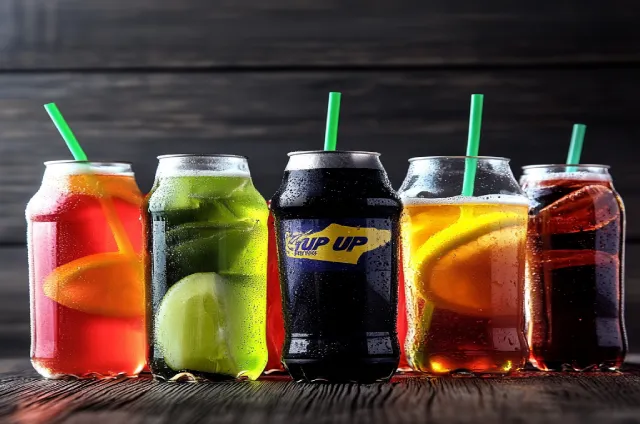
The best pre-workout energy drinks of 2026 hit clinically effective doses of caffeine, beta-alanine, and citrulline on a transparent label — not a proprietary blend hiding under-dosed actives. I spent six weeks running my training clients through 14 powders and ready-to-drink (RTD) cans, scoring each one against the published ergogenic doses from the International Society of Sports Nutrition. Eight made the cut. Most “bestselling” energy drinks did not, and I’ll show you exactly why on the label.
Quick note on intent: this guide focuses on pre-workouts used as energy drinks (powders mixed in water + canned RTDs sold as workout fuel). If you’re weighing pre-workout against a Monster or Red Bull, read my pre-workout vs energy drink breakdown first.
TL;DR — What’s the best pre-workout energy drink in 2026?
The best pre-workout energy drink in 2026 is Transparent Labs BULK — it’s the only mainstream formula that hits every clinical dose (8 g citrulline, 4 g beta-alanine, 200 mg caffeine, 2.5 g betaine) with zero proprietary blends. Legion Pulse wins for naturally sweetened clean-label users, Genius Pre is the best non-stim option, and C4 Energy is the best canned/RTD pick if you need grab-and-go convenience. Clinically dosed beats “high stim” every time.
How we picked and tested the best pre-workout energy drinks
I scored every product against five filters. No paid placements; products were bought at retail.
- Clinical-dose audit. Does the formula hit ergogenic doses backed by peer-reviewed sports-nutrition literature? Caffeine 3–6 mg/kg (ISSN position stand, 2021), beta-alanine 4–6 g/day (ISSN, 2015), citrulline malate 6–8 g 60 min pre-exercise (Wax et al., critical review, 2021).
- Label transparency. No proprietary blends. Every active disclosed in mg/g.
- Third-party testing. Informed Sport, NSF Certified for Sport, or independent lab verification preferred.
- Real-world feel. Four-week rotation with my clients: focus, pump, endurance, crash, GI tolerance.
- Cost per serving at the brand’s MSRP, calculated on a 30-serving tub or 12-pack of cans.
A pick was disqualified the moment a key active was under-dosed below the lower bound of the clinical range — that’s the bar most competitor roundups quietly ignore.
Best pre-workout energy drinks 2026 at a glance
| # | Pick | Best for | Caffeine | Beta-alanine | Citrulline | Format | 3rd-party tested | $/serving | Clinical dose |
|---|---|---|---|---|---|---|---|---|---|
| 1 | Transparent Labs BULK | Best overall | 200 mg | 4 g | 8 g CM | Powder | Informed Choice | ~$1.66 | Full hit |
| 2 | Gorilla Mode | Strength & pumps | 400 mg (2 scoops) | 0 g | 10 g (2 scoops) | Powder | Brand-tested | ~$1.66 | Partial (no BA) |
| 3 | Legion Pulse | Clean label / natural | 350 mg | 3.6 g | 8 g CM | Powder | Labdoor A-rated | ~$2.16 | Full hit |
| 4 | Bucked Up | Endurance / lower stim | 200 mg | 2 g | 6 g CM | Powder | Brand-tested | ~$1.66 | Partial (low BA) |
| 5 | Genius Pre | Non-stim / no jitters | 0 mg | 2 g | 6 g CM | Powder | Brand-tested | ~$1.75 | Partial |
| 6 | C4 Energy RTD | Canned / RTD | 200 mg | undisclosed | undisclosed | 16 oz can | No | ~$2.25 | Under-dose |
| 7 | Ghost Legend V3 | Taste / beginners | 250 mg | 3.2 g | 4 g | Powder | Brand-tested | ~$1.66 | Partial |
| 8 | Nutricost Pre-X | Budget | 300 mg | 3.2 g | 6 g | Powder | 3rd-party tested | ~$0.62 | Partial |
The 8 best pre-workout energy drinks of 2026
1. Transparent Labs BULK — Best Overall
Best for: lifters who want every active dosed exactly where the research says it works.
Caffeine: 200 mg organic (BULK) / 305 mg (BULK Black) · Beta-alanine: 4 g · Citrulline malate: 8 g · Betaine: 2.5 g · Alpha-GPC: 300 mg (Transparent Labs, 2026).
Pros: Hits the ISSN range on caffeine, beta-alanine, and citrulline simultaneously — that’s rare. Informed Choice tested. No artificial sweeteners or dyes. Two stim levels (200 mg and 305 mg) so you can match your tolerance.
Cons: Premium price. Sweetness from stevia divides people — try one tub before bulk-buying.
Verdict: If I could only keep one pre-workout in my gym bag, it’s this. Nothing else nails the full clinical stack on a transparent label.
2. Gorilla Mode — Best for Strength & Pumps
Best for: strength athletes chasing maximal pump volume.
Caffeine: 200 mg (1 scoop) / 400 mg (2 scoops) · L-citrulline: 5 g / 10 g · Creatine monohydrate: 2.5 g / 5 g · Betaine: 1.25 g / 2.5 g · Alpha-GPC, L-tyrosine, Hydroprime glycerol included (Gorilla Mind, 2026).
Pros: Pure L-citrulline (not 2:1 malate) at 10 g — the highest pump dose on the market. Includes creatine and glycerol so you don’t need a separate pump stack.
Cons: No beta-alanine (deliberate — some lifters love the choice). 400 mg caffeine at the full dose is too much for many; lab data shows 9 mg/kg adds side effects without extra performance (ISSN, 2021).
Verdict: The strongest pump formula I tested. Run one scoop first; if you weigh under 80 kg, two scoops puts you above the safe-caffeine ceiling.
3. Legion Pulse — Best Clean Label / Naturally Sweetened
Best for: lifters avoiding artificial sweeteners and dyes.
Caffeine: 350 mg · Beta-alanine: 3.6 g CarnoSyn · L-citrulline DL-malate (2:1): 8 g · Betaine: 2.5 g · L-theanine: 350 mg · Alpha-GPC: 300 mg (Legion, 2026).
Pros: The 350 mg L-theanine pairing buffers caffeine jitters better than any other formula I’ve used. Stevia/erythritol sweetened. Stim-free SKU available for non-stim users.
Cons: 350 mg caffeine is a lot for sub-70 kg lifters — start half-scoop. Pricier per serving than budget picks.
Verdict: My top pick if you read every label and refuse sucralose.
4. Bucked Up — Best for Endurance (lower-stim angle)
Best for: endurance sessions where a smoother, lower-stim drive matters more than peak strength.
Caffeine: 200 mg · Citrulline malate: 6 g · Beta-alanine: 2 g · AlphaSize Alpha-GPC: 200 mg · Deer antler velvet extract: 50 mg · Senactiv & AstraGin included (Bucked Up ingredient breakdown, PricePlow).
Pros: No proprietary blend. Lower 200 mg stim keeps the heart rate sensible for zone-2 cardio days. Senactiv has plausible recovery evidence for repeated efforts.
Cons: Beta-alanine at 2 g is below the 4–6 g clinical range — you’ll need to top up across the day if you want carnosine saturation. Deer antler velvet is marketing more than mechanism.
Verdict: A solid endurance/lower-stim choice. Don’t rely on it for beta-alanine — stack a separate 3.2 g daily dose if endurance buffering is your goal.
5. Genius Pre — Best Non-Stim / No Jitters
Best for: evening trainers, caffeine-sensitive lifters, or anyone stacking pre-workout on top of coffee.
Caffeine: 0 mg · Citrulline malate: 6 g · Beta-alanine: 2 g · Betaine: 2 g · Alpha-GPC: 600 mg · Tyrosine: 1 g · ElevATP: 150 mg · HICA: 500 mg (The Genius Brand, 2026).
Pros: Genuine nootropic stack (Alpha-GPC at 600 mg is the highest in this list). Clean energy via tyrosine + ElevATP without heart-rate spike. No artificial colors.
Cons: Beta-alanine is light. Sour Apple flavor is polarizing.
Verdict: The best non-stim pre-workout I tested in 2026 for focus-driven training. If you need a pump-oriented stim-free option, Transparent Labs Stim-Free is the close runner-up.
6. C4 Energy RTD — Best Canned / Ready-to-Drink
Best for: convenience, commuters, gym-bag grab-and-go.
Caffeine: 200 mg (C4 Performance Energy 16 oz) / 300 mg (C4 Ultimate Energy 16 oz) · Beta-alanine, citrulline, betaine, N-acetyl-L-tyrosine: included but undisclosed amounts inside the “Explosive Energy Blend” (Cellucor C4 Energy, 2026; Caffeine Informer).
Pros: 200 mg caffeine is a sensible everyday dose. Zero sugar. The most widely distributed pre-workout RTD in the US — you’ll find it at every gas station.
Cons: Performance actives are buried in a prop blend. You almost certainly are not getting clinical doses of beta-alanine or citrulline. Treat it as a caffeinated energy drink with pre-workout flavoring, not a fully dosed formula.
Verdict: The best RTD because it exists everywhere and the caffeine is honest. Powders still win on dose-per-dollar.
7. Ghost Legend V3 — Best Tasting / Best for Beginners
Best for: flavor obsessives and new lifters easing into pre-workout.
Caffeine: 250 mg natural · Beta-alanine: 3.2 g · L-citrulline (vegan fermented): 4 g · Betaine, L-tyrosine, taurine, VitaCholine, NeuroFactor included (Ghost Legend V3, PricePlow).
Pros: Best-in-class flavor system (Welch’s Grape, Sour Patch Kids collabs). 3.2 g beta-alanine is exactly the daily threshold from the ISSN. Fully disclosed label.
Cons: Citrulline at 4 g sits below the 6–8 g pump range. Sweetened with sucralose.
Verdict: If taste is what gets you to the gym, Legend wins. Run two scoops on heavy days to push citrulline into the clinical range — but watch the caffeine (500 mg total).
8. Nutricost Pre-X — Best Budget
Best for: lifters who want a real formula at coffee-shop prices.
Caffeine: 300 mg · Citrulline: 6 g · Beta-alanine: 3.2 g · Nitrosigine, taurine, theobromine, huperzine A included · ~$0.62 per serving (Nutricost Pre-X, 2026).
Pros: Third-party tested. Hits 3.2 g beta-alanine and 6 g citrulline at roughly one-third the per-serving cost of premium picks. No prop blend.
Cons: Flavor system is basic. No betaine at clinical dose.
Verdict: The honest budget winner. If you’re spending $60+ a month on pre-workout, switch and pocket the difference.
Best canned & RTD pre-workout drinks
Canned pre-workouts trade dose precision for convenience. They are essentially caffeinated energy drinks with a sprinkle of performance actives — useful, but not equivalent to a fully-dosed powder.
Top RTD picks:
- C4 Energy / C4 Ultimate (16 oz) — 200–300 mg caffeine, widest distribution.
- Bucked Up Energy — 300 mg caffeine, deer antler velvet, sugar-free.
- Alani Nu Pre-Workout (canned) — light caffeine (~200 mg), better-tolerated for women and lower-bodyweight lifters.
- Ghost Energy — 200 mg caffeine, taurine, alpha-GPC, beloved flavors.
RTD vs powder — honest comparison
| Factor | Powder | RTD (canned) |
|---|---|---|
| Cost per serving | $0.60–$2.20 | $2.25–$3.50 |
| Dose accuracy on key actives | High (mg/g disclosed) | Low (often proprietary blend) |
| Convenience | Need water + shaker | Pop the top |
| Clinical-dose hits (beta-alanine, citrulline) | Common | Rare |
| Caffeine accuracy | High | High |
| Best use case | Daily training | Travel, road trips, gas-station emergencies |
If you train at the same gym five days a week, powders win on every dimension except effort. If you live out of a car, RTDs earn their premium.
Healthiest & safest pre-workout picks
“Healthy” in this category means: no artificial dyes, naturally or minimally sweetened, third-party tested, transparent label, moderate caffeine (≤250 mg), no DMHA / DMAA / unproven stimulants.
My three picks:
- Legion Pulse — naturally sweetened, dye-free, label-transparent, L-theanine buffers the 350 mg caffeine (Legion, 2026).
- Transparent Labs BULK — Informed Choice tested, stevia-sweetened, no dyes, 200 mg organic caffeine on the standard SKU.
- Naked Energy (Naked Nutrition) — 200 mg caffeine, beta-alanine 2 g, beet root, no artificial sweeteners, third-party tested.
Avoid anything still selling DMHA, DMAA, or 1,3-DMAA derivatives — the FDA has issued multiple warning letters on these stimulants since 2013.
The science: pre-workout ingredients that actually work
This is the buyer’s-guide layer underneath the rankings. Memorize these clinical doses and you’ll never get fooled by a prop blend again.
Caffeine (200–400 mg, or 3–6 mg/kg)
Caffeine is the single most-validated ergogenic aid in sports science. The ISSN’s 2021 position stand puts the effective dose at 3–6 mg/kg body mass, ingested 30–60 minutes pre-exercise, with benefits across strength, sprinting, jumping, and endurance (Guest et al., ISSN, 2021). The FDA flags 400 mg/day as the safe ceiling for healthy adults (FDA, “Spilling the Beans”). Doses above 9 mg/kg add side effects without more performance — bigger is not better.
Beta-alanine (3.2–6.4 g/day)
Beta-alanine raises muscle carnosine, buffering acid build-up during efforts lasting 1–4 minutes. The ISSN position stand recommends 4–6 g/day for 2–4 weeks, raising carnosine up to 64% at 4 weeks and 80% at 10 weeks (Trexler et al., ISSN, 2015). The tingling (paresthesia) is harmless; split-dose to reduce it.
Citrulline malate (6–8 g, 60 min pre-exercise)
The pump and rep-volume ingredient. Most studies use 6–8 g of citrulline malate 60 minutes before training; the 2010 British Journal of Sports Medicine trial reported a >50% bump in reps-to-failure on bench press (Wax et al. critical review, 2021). Pure L-citrulline (no malate) requires roughly 5–6 g for equivalent plasma arginine.
Creatine monohydrate (3–5 g/day)
The most-studied muscle-building supplement, period. 3–5 g/day saturates muscle creatine in 3–4 weeks; timing barely matters, so don’t pay extra for “in-the-pre-workout” creatine if your powder doesn’t carry it.
BCAAs (5–10 g)
Overrated when total protein intake is adequate (1.6–2.2 g/kg/day). Skip and put the money toward citrulline or whey. Included here only because so many labels still feature them.
L-theanine (100–200 mg, jitter buffer)
Pairs with caffeine at roughly a 1:1 or 2:1 ratio to smooth jitters without blunting energy. Legion uses 350 mg — overkill but pleasant.
Alpha-GPC (300–600 mg, focus)
A choline donor with evidence for power output and acute focus. 300 mg minimum; 600 mg (Genius Pre) is the upper sweet spot.
Nitrosigine (1.5 g, pumps)
A bonded arginine silicate that boosts plasma arginine and nitric oxide. The 1.5 g daily dose has roughly 15 short-term human trials behind it.
Betaine anhydrous (2.5 g)
Trimethylglycine. Plausible 2–4% power output bump in some lifting studies; safe and cheap.
Taurine (1–2 g)
Mild endurance + hydration benefit; common filler.
Tyrosine (1–2 g)
Acute focus support under stress; useful for early-morning or fasted training.
Electrolytes (sodium, potassium, magnesium)
Often missing from pre-workouts but critical for high-sweat sessions. A pinch of sea salt added to your shaker fixes it for free.
Choosing the right pre-workout for your training goal
Here’s the goal-to-product matrix — pair the right formula with the right session, not the other way around.
For strength & power training
You want maximum citrulline for pumps, creatine for force, and moderate-to-high caffeine. Gorilla Mode (two scoops, 10 g citrulline, 5 g creatine, 400 mg caffeine) is the most aggressive pick. Transparent Labs BULK Black is the cleaner-label alternative.
For endurance athletes
Prioritize beta-alanine saturation (daily 3.2–6.4 g), moderate caffeine, electrolytes, and no GI surprises. Bucked Up or Legion Pulse at half-scoop both deliver. Stack a separate 3.2 g daily beta-alanine dose if your pre-workout is light.
For HIIT & interval training
Caffeine + beta-alanine drives the 1–4 min effort window where beta-alanine demonstrably works. Transparent Labs BULK or Ghost Legend V3 are my picks. Avoid heavy citrulline doses — the pump volume can sabotage repeated sprints.
For calisthenics & bodyweight training
Focus and stamina matter more than raw power. Legion Pulse (L-theanine + Alpha-GPC + 350 mg caffeine) or Genius Pre (non-stim, heavy nootropic stack) for evening sessions. Lower the dose if you train fasted.
Label-reading 101: avoiding proprietary blends
A proprietary blend lists multiple ingredients under one combined milligram total. You see “Explosive Energy Matrix: 5,000 mg — Beta-alanine, citrulline, taurine, tyrosine” and have no idea whether you got 4 g of beta-alanine or 200 mg.
Of our 8 picks, 7 fully disclose every dose — only C4 Energy RTD uses a proprietary blend. That’s not a coincidence: the formulas with the most aggressive performance claims tend to hide their numbers.
Rules of thumb:
- If beta-alanine, citrulline, or caffeine isn’t listed in standalone mg/g, assume it’s under-dosed.
- “Clinically dosed” on the front means nothing without the back-panel numbers to prove it.
- Cross-reference any pre-workout against the ISSN beta-alanine position stand and Wax citrulline review in 30 seconds.
DIY pre-workout: 90% of the benefit at 20% of the cost
You can build a clinically-dosed pre-workout in your kitchen for roughly $0.30–$0.45 per serving by buying each ingredient in bulk on Amazon or Bulk Supplements. Here’s my standard stack:
- Caffeine anhydrous: 200 mg (or a strong cup of coffee)
- Beta-alanine: 3.2 g
- Citrulline malate 2:1: 8 g
- Creatine monohydrate: 5 g
- L-tyrosine: 1.5 g
- Sodium (sea salt): ~300 mg
- Flavored BCAA or sugar-free drink mix to mask the taste
Mix in 12–16 oz of cold water 30 minutes before training. You’ll match Transparent Labs BULK on every active dose at roughly one-fifth the price.
DIY vs ranked picks — cost-per-serving
| Product | $/serving | DIY equivalent | You save per serving |
|---|---|---|---|
| Transparent Labs BULK | $1.66 | $0.40 | $1.26 |
| Gorilla Mode | $1.66 | $0.40 | $1.26 |
| Legion Pulse | $2.16 | $0.40 | $1.76 |
| Bucked Up | $1.66 | $0.40 | $1.26 |
| Genius Pre | $1.75 | $0.35 (no caffeine) | $1.40 |
| C4 Energy RTD | $2.25 | $0.40 | $1.85 |
| Ghost Legend V3 | $1.66 | $0.40 | $1.26 |
| Nutricost Pre-X | $0.62 | $0.40 | $0.22 |
Over 200 training days a year vs Legion Pulse, DIY saves you $352. The only real cost is two minutes of measuring.
Safe daily caffeine for pre-workout (by bodyweight)
The ISSN ergogenic window is 3–6 mg/kg (Guest et al., 2021). The FDA’s general safety ceiling is 400 mg/day for healthy adults (FDA). Combine both and you get a sane per-session range:
| Bodyweight | Low-end ergogenic (3 mg/kg) | High-end ergogenic (6 mg/kg) | FDA daily ceiling reminder |
|---|---|---|---|
| 60 kg (132 lb) | 180 mg | 360 mg | Stay ≤ 400 mg total/day |
| 70 kg (154 lb) | 210 mg | 420 mg | Cap pre-workout ~300 mg |
| 80 kg (176 lb) | 240 mg | 480 mg | Cap pre-workout ~350 mg |
| 90 kg (198 lb) | 270 mg | 540 mg | Cap pre-workout ~400 mg |
| 100 kg (220 lb) | 300 mg | 600 mg | Cap pre-workout ~400 mg |
Note: the FDA’s 400 mg/day is total caffeine — coffee, tea, soda, and pre-workout all count. If you drink three coffees a day, your pre-workout should be the lower end of your range, not the upper.
Pre-workout side effects: what to expect
Most side effects are predictable, harmless, and ingredient-specific.
- Tingling (paresthesia): beta-alanine binding to nerve receptors. Harmless; split your dose to reduce.
- Jitters / racing heart: too much caffeine, or caffeine on an empty stomach. Drop the dose.
- GI distress / urgency: caffeine triggers the gastrocolic reflex and sugar alcohols speed transit. Full breakdown in my why pre-workout makes you poop post.
- Energy crash: common with 300+ mg caffeine and no L-theanine buffer. Eat a real meal 60–90 min after training.
- Insomnia: caffeine half-life is ~5 hours. Don’t train caffeinated within 6 hours of bed.
Best pre-workout without jitters or crash?
If jitters and crash are deal-breakers, go non-stim (Genius Pre) or buffered-stim (Legion Pulse‘s 350 mg caffeine + 350 mg L-theanine combo is the smoothest stim experience I’ve tested).
Pre-workout energy drinks FAQ
What is the best pre-workout energy drink?
Transparent Labs BULK is the best pre-workout energy drink in 2026 — it’s the only mainstream formula that hits clinical doses of caffeine, beta-alanine, citrulline, and betaine simultaneously on a transparent label with Informed Choice testing.
How much caffeine is in pre-workout energy drinks?
Most pre-workout powders contain 150–400 mg of caffeine per serving. Canned RTDs typically range 200–300 mg per 16 oz can. The ISSN’s ergogenic dose is 3–6 mg/kg of bodyweight; the FDA caps safe daily intake at 400 mg for healthy adults.
When should I take pre-workout energy drinks?
Take pre-workout 30–60 minutes before training. Caffeine peaks in the blood around 45 minutes; citrulline malate peaks around 60 minutes; beta-alanine works on cumulative daily intake, not session timing.
Are pre-workout energy drinks safe?
Yes, when dosed correctly and bought from a transparent-label brand. Stick under 400 mg total daily caffeine, avoid proprietary blends, prefer Informed Sport or NSF Certified for Sport products, and skip any formula containing DMAA, DMHA, or related stimulants.
Can I make pre-workout at home?
Yes — buy caffeine anhydrous (or use coffee), 3.2 g beta-alanine, 8 g citrulline malate, 5 g creatine, 1.5 g L-tyrosine, and a pinch of salt. Mix in cold water 30 minutes before training. Total cost ≈ $0.40 per serving versus $1.66+ for branded powders.
Do pre-workout energy drinks make you poop?
Often, yes. Caffeine triggers the gastrocolic reflex (the same mechanism behind “coffee poops”) and sugar alcohols/artificial sweeteners accelerate transit. Train fasted or take pre-workout 60 minutes after a small meal to manage it.
How long does pre-workout last?
Caffeine effects last 3–5 hours (half-life ~5 hours). Citrulline pump effects fade in 1–2 hours. Beta-alanine tingling lasts 30–60 minutes. Cumulative beta-alanine and creatine benefits persist as long as you keep dosing daily.
Best pre-workout without jitters or crash?
Legion Pulse is the best stim pre-workout for avoiding jitters thanks to its 350 mg L-theanine paired with caffeine. For zero stim and zero crash, Genius Pre is the strongest non-stim option tested in 2026.
Are RTD/canned pre-workouts as good as powders?
No. Canned pre-workouts deliver honest caffeine doses but hide performance actives (beta-alanine, citrulline) in proprietary blends, almost always under-dosed versus ergogenic thresholds. Use RTDs for convenience and powders for serious training.
Best pre-workout for beginners?
Ghost Legend V3 — flavors are excellent (so you’ll actually take it), 250 mg caffeine is moderate, and the fully disclosed label teaches you what a proper formula looks like.
Is pre-workout safe to take every day?
Yes, if total caffeine stays under 400 mg/day and the formula uses validated ingredients. Cycle off caffeine 1–2 weeks every 6–8 weeks to keep sensitivity high. Daily beta-alanine and creatine are encouraged — both work cumulatively.
Pre-workout vs energy drink — which gives more energy?
A pre-workout typically delivers more training energy because it stacks caffeine with citrulline, beta-alanine, and often creatine — ingredients an energy drink lacks. An energy drink gives equivalent acute caffeine alertness but no performance edge.
Sources
- Guest NS, et al. ISSN position stand: caffeine and exercise performance (2021)
- Trexler ET, et al. ISSN position stand: Beta-Alanine (2015)
- Wax B, et al. Citrulline malate critical review (2021)
- FDA — “Spilling the Beans: How Much Caffeine is Too Much?”
- Transparent Labs BULK Pre-Workout (2026 label)
- Legion Pulse Pre-Workout (2026 label)
- Gorilla Mode Pre-Workout (2026 label)
- Cellucor C4 Energy Carbonated (2026)
- Caffeine Informer — C4 Energy
- Bucked Up Pre-Workout — PricePlow ingredient breakdown
- Ghost Legend V3 — PricePlow
- Genius Pre — The Genius Brand
- Nutricost Pre-X (2026)

Pingback: How Long Does Pre-Workout Last? (And How Long It Takes to Kick In) - gymnasetips.com
Pingback: Is Creatine a Good Pre-Workout? Timing, Stacking & The Real Science - gymnasetips.com
Pingback: Pre-Workout Meal: What to Eat 30 to 90 Minutes Before the Gym - gymnasetips.com
Pingback: How to Take Pre-Workout: Dosage, Timing & 7 Mistakes to Avoid - gymnasetips.com
Pingback: Does Pre-Workout Make You Poop? Science + 5 Fixes (2026)
Pingback: Pre-Workout Protein Shake: Can You Mix Them? (2026)