Last updated: May 2026 — written by the Gymnase Tips training team.
The 10 hardest calisthenics moves combine extreme bodyweight strength, body awareness, and years of progression work. The full planche, one-arm pull-up, front lever, iron cross (on rings), human flag, one-arm handstand push-up, V-sit, manna, hefesto, and 90-degree push-up sit at the top of the difficulty pyramid — most require 2 to 5 years of consistent training even for genetically gifted athletes. The ranking below is based on strength-to-bodyweight ratio required, technical complexity, prerequisite progressions, and observed mastery rates among advanced calisthenics practitioners.
This guide covers the 10 hardest moves ranked by difficulty, the strength-to-bodyweight requirements for each, the realistic timeline to first achievement, the prerequisite progressions you need to build, and where to start if you’re chasing one of these skills. For the foundational skills that come before these, see our calisthenics skills guide.
The 10 hardest moves (ranked)
1. Full Planche
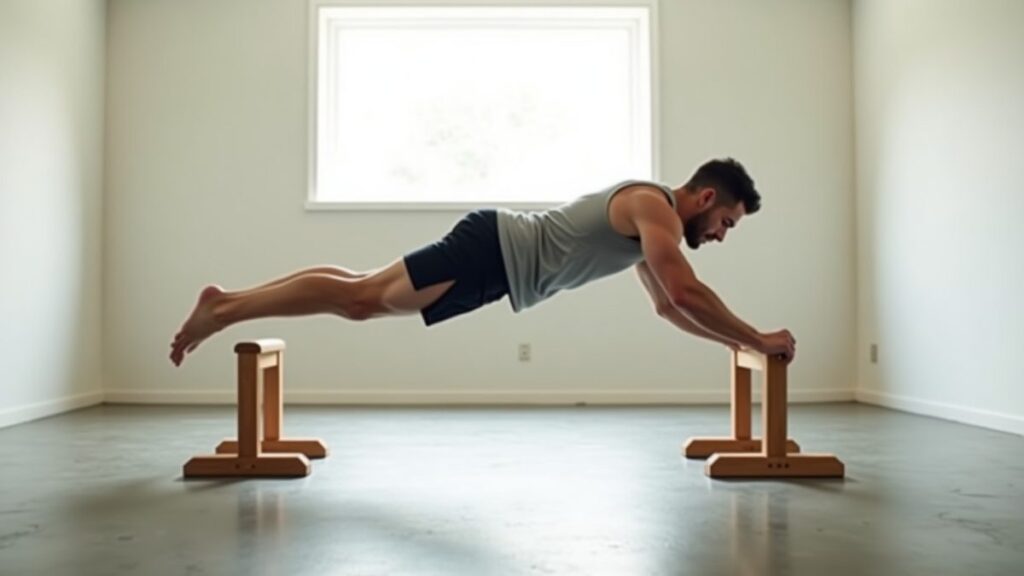
Body parallel to the ground, arms straight, weight balanced on hands alone. Requires roughly 2x bodyweight pressing strength and exceptional scapular control. Timeline: 3-5 years from first push-up. Prerequisites: tuck planche → straddle planche → full planche progression. Mastery rate: <1% of advanced practitioners ever achieve a clean 5-second hold.
2. One-Arm Pull-Up
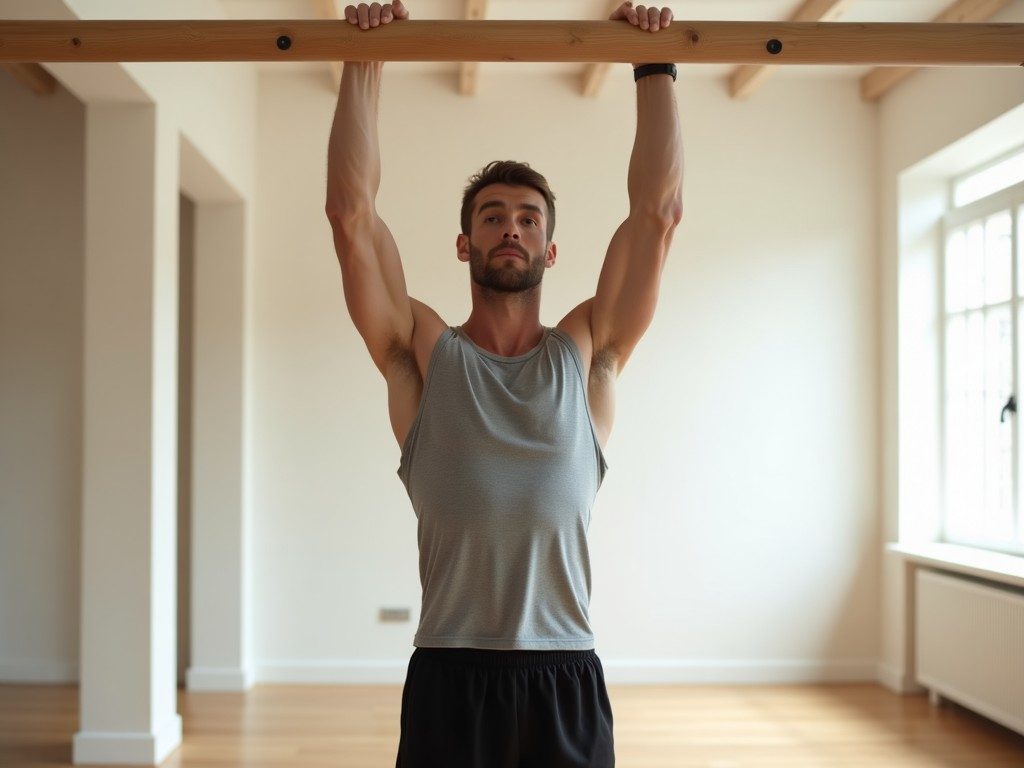
Strict pull-up using only one arm, no kip, no body swing. Requires roughly 1.7x bodyweight pulling strength on a standard two-arm pull-up. Timeline: 2-4 years from first pull-up. Prerequisites: 15+ strict pull-ups, archer pull-ups, weighted pull-ups at 50% bodyweight. Mastery rate: 3-5% of dedicated calisthenics practitioners.
3. Iron Cross (on rings)
Hanging from gymnastic rings with arms held perpendicular to the body. Requires extreme shoulder and elbow strength and severely conditioned connective tissue. Timeline: 4-8 years with dedicated ring training. Prerequisites: ring strength foundation (pull-ups, dips, support holds), butterfly cross with bands, weighted ring work. Mastery rate: elite gymnasts only.
4. Front Lever
Body horizontal, hanging under a bar with arms straight, hollow body position. Requires 2-3x bodyweight pulling strength. Timeline: 12-24 months from first pull-up. Prerequisites: tuck lever → advanced tuck → straddle lever → full lever progression. Mastery rate: 10-15% of advanced practitioners with consistent practice.
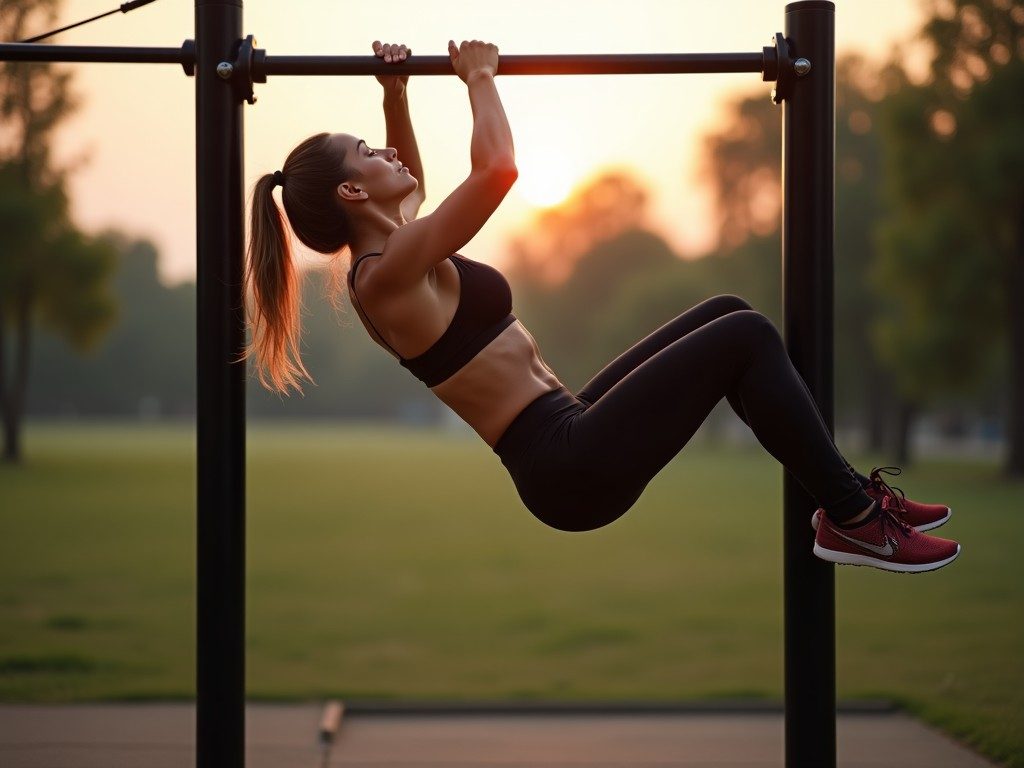
5. Human Flag
Body horizontal, gripping a vertical pole, side-on. Requires extreme oblique strength, lat strength, and a unique grip pattern. Timeline: 12-24 months. Prerequisites: chamber flag, vertical flag, side plank with arm extended (1-minute hold). Mastery rate: 5-10% of dedicated practitioners.
6. One-Arm Handstand Push-Up
Wall-supported or freestanding handstand, descending and pressing back up using one arm. Combines max overhead pressing strength with severe stability demands. Timeline: 4-7 years. Prerequisites: 10+ strict freestanding HSPUs, one-arm wall hold (1 minute), weighted HSPU at 30% bodyweight. Mastery rate: elite gymnasts and handbalancers.
7. V-Sit
Seated balance with legs raised vertically (above hip), torso upright, supported only by hands on the floor. Combines extreme hip flexor strength, hamstring flexibility, and shoulder stability. Timeline: 18-36 months. Prerequisites: L-sit (1-minute hold), pancake stretch (chest to floor), straddle L-sit. Mastery rate: 10% of advanced practitioners.
8. Manna
Inverted V-sit position with legs near or past the head, supported only by hands behind the hips. The most flexibility-dependent skill on this list. Timeline: 5-10 years. Prerequisites: V-sit, deep shoulder flexibility, severe hamstring and lower back flexibility. Mastery rate: elite gymnasts only.
9. Hefesto
From a back lever position, pull yourself up to a clean muscle-up, ending in a support hold. Combines max bicep/forearm strength with severe shoulder mobility. Timeline: 3-5 years. Prerequisites: back lever, weighted muscle-ups, ice cream maker (negative variant). Mastery rate: <1% even among advanced practitioners.
10. 90-Degree Push-Up
Push-up where the body remains parallel to the ground throughout the movement, with the arms only at 90 degrees from the body — essentially pressing from a planche-adjacent position. Timeline: 4-6 years. Prerequisites: straddle planche, planche push-up, advanced pseudo planche push-ups. Mastery rate: elite calisthenics athletes only.
Difficulty comparison table
| Move | Strength req. | Timeline | Prereq foundation |
|---|---|---|---|
| Full planche | ~2x bodyweight press | 3-5 years | Pseudo planche push-up + tuck planche |
| One-arm pull-up | ~1.7x bodyweight pull | 2-4 years | 15+ pull-ups, weighted pull-ups |
| Iron cross | Extreme shoulder/elbow | 4-8 years | Ring foundation, weighted rings |
| Front lever | ~2-3x bodyweight pull | 12-24 months | Tuck lever, advanced tuck |
| Human flag | Extreme oblique/lat | 12-24 months | Chamber flag, vertical flag |
| One-arm HSPU | Max overhead + stability | 4-7 years | 10+ strict HSPUs, one-arm wall hold |
| V-sit | Hip flexor + flexibility | 18-36 months | L-sit, pancake stretch |
| Manna | Extreme flexibility | 5-10 years | V-sit, deep shoulder + hamstring mobility |
| Hefesto | Max bicep + shoulder mobility | 3-5 years | Back lever, weighted muscle-ups |
| 90-degree push-up | Planche-adjacent press | 4-6 years | Straddle planche |
What makes these moves so hard
- Strength-to-bodyweight ratio. Full planche requires roughly 2x bodyweight pressing strength. Front lever requires 2-3x bodyweight pulling strength. Most strength-trained adults sit far below these ratios.
- Connective tissue adaptation. Tendons and ligaments adapt 3-5x slower than muscle. The years-long timelines aren’t about muscle building — they’re about tendon strengthening.
- Skill complexity. Many of these aren’t just “harder push-ups” — they require new motor patterns and body positions that take 6-12 months just to learn properly.
- Flexibility prerequisites. V-sit, manna, and hefesto demand extreme shoulder, hamstring, and lower back mobility that most adults haven’t developed.
- Mental tolerance for slow progress. Visible week-to-week gains stop after the intermediate level. Advanced calisthenics progress is measured in monthly micro-improvements.
Where to start if you want one of these
- Master the foundations first. Get to 15+ strict pull-ups, 30+ strict push-ups, 10+ strict dips, and a 60-second handstand hold against a wall before chasing advanced skills.
- Pick ONE skill. Trying to chase multiple advanced moves simultaneously stretches recovery thin and slows progress on all of them. Pick one for 6-12 months minimum.
- Train the prerequisite progression religiously. Every advanced skill has a documented progression path. Skip steps and you injure yourself.
- Train 4-5 days per week with adequate recovery. Connective tissue needs more recovery than muscle. Daily training of advanced skills causes overuse injuries within 6-8 weeks.
- Track progress quarterly, not weekly. Take a photo or video every 4 weeks. Week-to-week comparison will demoralize you.
Hardest Calisthenics Moves FAQ
What is the single hardest calisthenics move?
The full planche has the highest combined difficulty score on most ranking systems — extreme strength-to-bodyweight ratio (~2x), severe scapular control demands, and very low mastery rate (less than 1% of advanced practitioners). The iron cross is harder for raw strength but specific to ring training.
How long to learn the planche?
3-5 years from your first push-up to a clean 5-second full planche hold, assuming consistent dedicated training and no major injuries. Most lifters never reach a full planche — they stall at straddle planche.
Is the human flag harder than the planche?
The human flag is significantly easier than the full planche. Most dedicated calisthenics athletes can achieve a human flag within 12-24 months; the full planche takes 3-5 years for those who achieve it at all.
Can natural genetics achieve these moves?
Yes — most elite calisthenics practitioners are natural athletes. However, body weight matters: lean, lighter athletes (155-175 lb) reach advanced static holds faster than larger frames. PED use is rare in calisthenics; the strength-to-weight demands actively penalize the size gains PEDs provide.
Are these moves used in military training?
No. Military calisthenics prioritizes high-rep compound movements (push-ups, pull-ups, sit-ups, squats) for work capacity. Advanced static holds aren’t useful for combat readiness. See our military calisthenics complete guide for the work-capacity programming approach.
The bottom line: the hardest calisthenics moves combine extreme bodyweight strength, technical complexity, and years of patient connective tissue adaptation. Most lifters never achieve them — but the ones who do follow the same playbook: master foundations first, pick one skill, train the prerequisite progression religiously, track progress quarterly. For more skill work see our calisthenics skills guide and complete calisthenics progression plan.