Last updated: April 2026 — written by James Nolan, Gymnase Tips senior trainer.
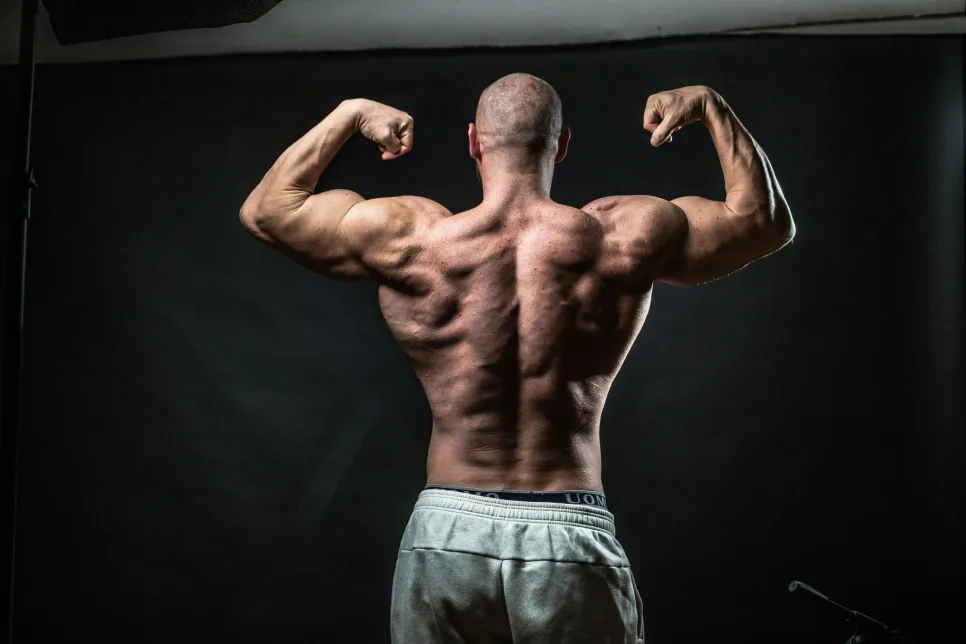
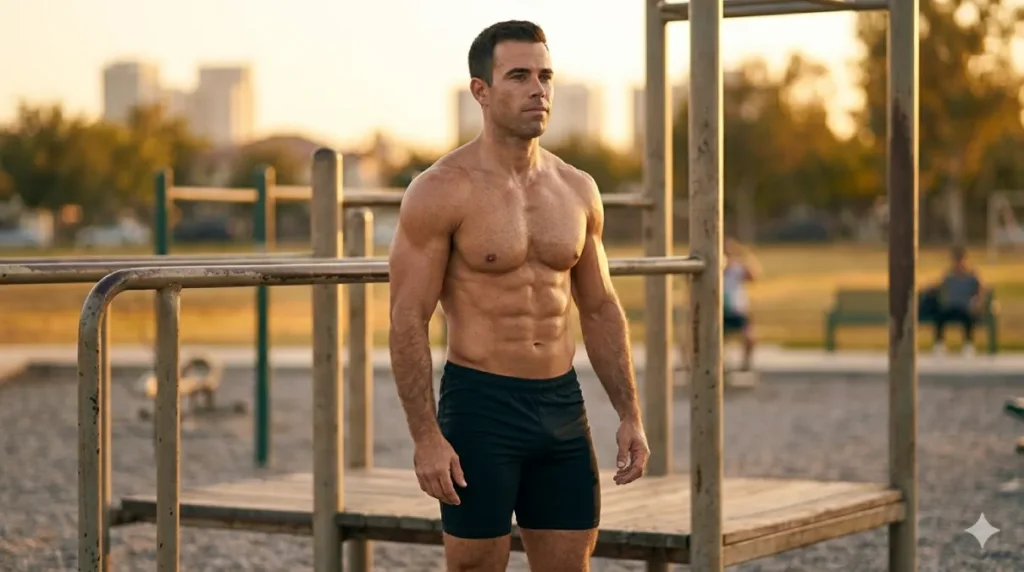
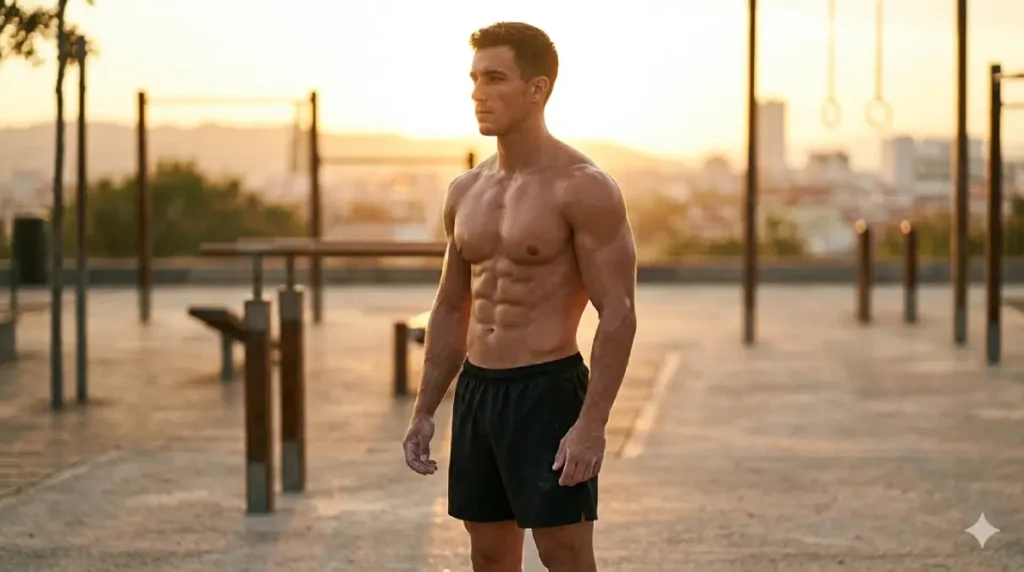
The workout aesthetic is the lean, defined, proportional physique that dominates fitness feeds — wide shoulders tapering to a narrow waist, visible abs, developed chest and arms, and lean legs that move well. It is the look most people actually want from training, even when they describe their goal as “bigger” or “stronger.” And it is achievable with calisthenics alone, in roughly 12 months of consistent work for an untrained beginner.
This guide breaks down what the workout aesthetic actually is, the training and nutrition that produces it, and the realistic timeline from untrained to recognizably aesthetic.
Table of Contents
- What the Workout Aesthetic Actually Is
- Why Calisthenics Produces It Naturally
- The Training Framework
- The Nutrition That Matters
- Timeline: Untrained to Aesthetic
- Common Mistakes
- Sample Weekly Schedule
- FAQ
What Is the “Workout Aesthetic” Exactly?
The aesthetic physique has three defining features.
1. Shoulder-to-waist ratio around 1.6. Often called the “golden ratio” in physique circles, a shoulder circumference roughly 1.6 times the waist creates the V-taper that reads as classically athletic. This is primarily a function of developed lateral delts plus a tight waist.
2. Body fat low enough to show muscle definition. For men, roughly 10 to 14 percent body fat. For women, 18 to 22 percent. Above these ranges, no amount of muscle development produces the “aesthetic” look — the definition lives underneath.
3. Proportional muscle development, not bulk. The aesthetic physique favors even muscle distribution — developed chest, back, shoulders, arms, and legs in rough balance — rather than exaggerated single-group hypertrophy. Closer to classic bodybuilding proportions than modern mass-monster physiques.
Why Calisthenics Produces the Aesthetic Body Naturally
Three reasons.
1. It favors proportional development. Pull-ups train lats, biceps, and rear delts in the same movement. Dips train chest, shoulders, and triceps. The compound nature of calisthenics drives the balanced muscle distribution that defines the aesthetic look.
2. It keeps the waist narrow. Heavy barbell squatting and deadlifting thickens the midsection over years. Calisthenics leg work (pistol squats, Bulgarian split squats) develops the legs without the secondary waist thickening.
3. It emphasizes relative strength. An athlete training calisthenics for aesthetics tends to stay leaner naturally, because extra bodyweight makes bodyweight exercises harder. The training self-polices bulk.
The American College of Sports Medicine recognizes bodyweight resistance training as effective for producing both strength and hypertrophy outcomes across adult populations.
The Aesthetic Calisthenics Training Framework
Four sessions per week, roughly 60 to 75 minutes each.
Monday — Push (Chest + Shoulders + Triceps)
- Dip — 4 × 8
- Decline push-up — 4 × 10
- Archer push-up — 3 × 6 per side
- Pike push-up — 3 × 10
- Diamond push-up — 3 × 12
- Hollow hold — 3 × 30s
Tuesday — Pull (Back + Biceps + Rear Delts)
- Pull-up — 5 × max
- Wide-grip pull-up — 3 × 6
- Inverted row — 4 × 12
- Chin-up — 3 × 8
- Commando pull-up — 3 × 6 per side
- Hanging leg raise — 3 × 10
Thursday — Legs + Core
- Bulgarian split squat — 4 × 10 per leg
- Reverse lunge — 3 × 12 per leg
- Jump squat — 3 × 12
- Glute bridge — 3 × 15
- L-sit progression — 4 × 15-30s
- Dragon flag progression — 3 × 5
Saturday — Full-Body Conditioning
- 20-minute steady run
- 5-round circuit: 10 push-ups, 10 pull-ups, 15 squats, 10 burpees
The Nutrition That Actually Matters
The aesthetic physique is roughly 60 percent nutrition, 40 percent training. Training builds muscle. Nutrition reveals it.
Protein: 0.8 to 1 gram per pound of bodyweight daily. A 170-pound man needs 135 to 170 grams; a 130-pound woman needs 105 to 130 grams. Most people under-eat protein by 30 to 50 percent.
Calories:
- For bulking (muscle gain): Small surplus of 200 to 300 calories above maintenance.
- For cutting (fat loss): Modest deficit of 300 to 500 calories below maintenance.
- For maintenance: Match calorie intake to bodyweight target.
Most people trying to achieve the aesthetic body rotate: 3 to 4 months in a surplus building muscle, followed by 2 to 3 months in a deficit to reveal definition. Repeat annually.
Sleep: 7 to 9 hours. Under-sleeping blunts recovery and raises cortisol, which drives fat retention in the midsection — sabotaging both the muscle and the definition.
For the full nutrition protocol, see our muscle-building guide.
Timeline: Untrained to Aesthetic
Honest numbers for a previously untrained adult who trains consistently and eats with intent.
| Timeframe | Visible Result |
|---|---|
| 3 months | Improved posture, early shoulder and arm definition, first pull-up |
| 6 months | Visible chest and back development, leaner waist, handstand practice |
| 9 months | V-taper becoming obvious, 10+ pull-ups, most pistol squat progressions |
| 12 months | Unambiguously “aesthetic” physique if diet was consistent throughout |
| 18-24 months | Advanced calisthenics body — muscle-up, dragon flag, clean handstand |
Women see comparable relative progress on a slower absolute timeline for upper-body development, but faster progress on leg and glute development.
The Most Common Workout Aesthetic Mistakes
Training the “aesthetic” muscles, skipping the rest. Excessive push-up, chest, and bicep focus at the expense of back and leg work produces an unbalanced physique that reads “gym guy who skips leg day,” not aesthetic.
Perpetual bulking. You cannot bulk yourself lean. At a certain body fat level, extra calories become fat, not muscle. Accept this and periodize bulk/cut cycles.
Perpetual cutting. The opposite mistake. Staying in a deficit year-round produces a lean but small physique. Dedicated muscle-building phases with adequate calories are essential.
Ignoring sleep and stress. Cortisol drives visceral fat, which sits around the waist and destroys the V-taper. Chronic under-sleeping sabotages years of training.
Missing mobility and posture. A muscular physique with a hunched posture looks smaller and less defined than a slightly less muscular one with strong posture. See our beginner mobility exercises for the fix.
Sample Weekly Workout Aesthetic Schedule
| Day | Session | Duration |
|---|---|---|
| Monday | Push | 60 min |
| Tuesday | Pull | 60 min |
| Wednesday | Mobility + light cardio | 30 min |
| Thursday | Legs + Core | 60 min |
| Friday | Rest or light skill work | 20 min |
| Saturday | Conditioning circuit | 45 min |
| Sunday | Rest | — |
For a structured progression plan that builds toward this aesthetic framework, see our complete calisthenics progression plan and upper body workout.
Workout Aesthetic FAQ
Can I get an aesthetic body with only calisthenics?
Yes. Calisthenics naturally produces proportional muscle development, balanced push/pull, and the shoulder-to-waist ratio that defines the aesthetic look. Advanced calisthenics athletes have some of the most aesthetic physiques in fitness.
How long does it take to build an aesthetic body?
12 months of consistent, intelligent training and nutrition for a visibly aesthetic physique in an untrained beginner. 6 to 9 months for someone returning after previous training experience. 18 to 24 months to reach elite “advanced calisthenics” aesthetic levels.
What body fat percentage looks most aesthetic?
For men, 10 to 14 percent body fat shows clear abs and vascularity without looking depleted. For women, 18 to 22 percent shows definition while preserving feminine curves and hormonal health. Below these ranges, performance, mood, and long-term health suffer for most people.
Does diet or training matter more for the workout aesthetic?
At roughly a 60/40 ratio, nutrition edges out training — because no amount of muscle development shows through excessive body fat. But without consistent training, even perfect nutrition produces a thin person, not an aesthetic one. Both are required.
Can women build an aesthetic body with calisthenics?
Yes, typically with a faster route to visible results in the legs and glutes than men experience. The upper-body pull-up progression takes longer for women due to starting strength differences, but the rest of the aesthetic framework is equally accessible.
What is the single most important habit for the workout aesthetic physique?
Consistency over years. Every aesthetic physique you admire represents 2 to 10 years of consistent training and reasonable eating. There are no shortcuts that produce the look durably.
Related Gymnase Tips guides
- How to Build Muscle Without Weights: 6-Month Bodyweight Plan
- Calisthenics vs Weights: Which Builds More Muscle?
- 5-Day Workout Split: Best Schedule for Building Muscle
- Hybrid Training: Mixing Dumbbells with Calisthenics
- How to Get Lean Fast: Realistic 8-Week Plan
- Best Pre-Workout for Women: 7 Honest Picks